When choosing the right material for wall applications, many buyers often ask: is ceramic tile or porcelain tile the better option? Both materials are widely used in interior design, especially for kitchens and bathrooms, but they differ in performance, appearance, and cost. Understanding these differences will help you make the best decision for your project.
Understanding the Difference Between Ceramic and Porcelain Tile
Both ceramic tile for walls and porcelain wall tile are made from clay and fired at high temperatures. However, porcelain is produced using more refined clay and fired at a higher temperature, making it denser and less porous.
This difference affects durability, water absorption, and installation. While porcelain tiles are known for their strength and low water absorption, ceramic wall tiles are lighter and easier to cut, which makes them especially suitable for vertical applications.
Why Ceramic Tile is Popular for Wall Applications
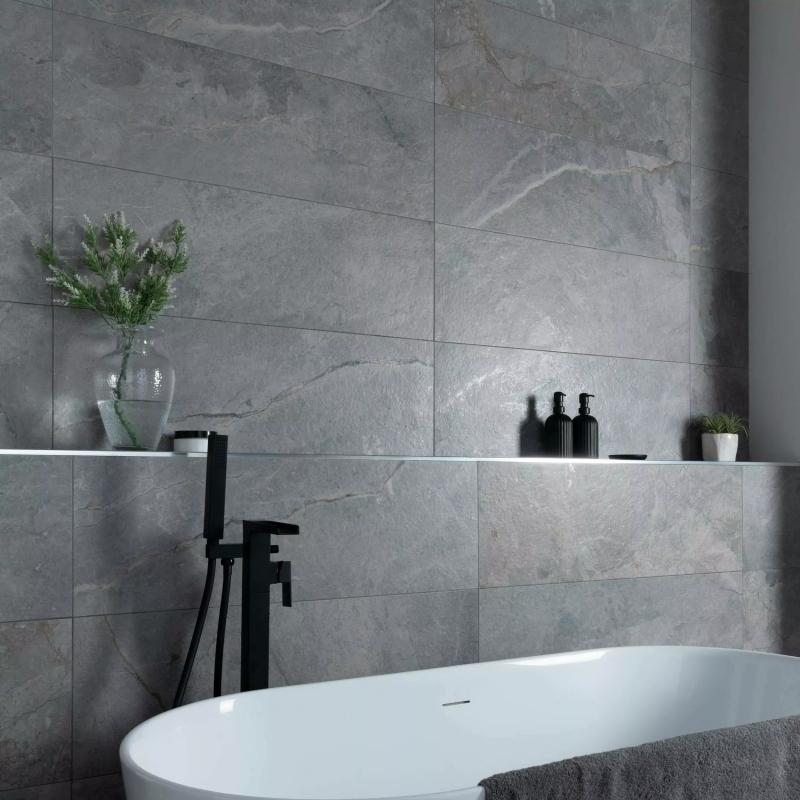
For wall use, ceramic tiles for bathroom walls and kitchen backsplashes are often the preferred choice. One key reason is their lightweight nature, which reduces stress on the wall structure and simplifies installation.
In addition, decorative ceramic wall tiles come in a wide variety of colors, textures, and patterns, allowing for more creative and flexible design options. From glossy finishes to intricate patterns, ceramic tiles can easily match modern and classic interior styles.
Another advantage is cost. Compared to porcelain, affordable ceramic tile options are more budget-friendly, making them ideal for large wall coverage projects.
When Porcelain Tile is a Better Choice for Walls
Although ceramic is commonly used, porcelain tile for walls has its own advantages. Thanks to its density, porcelain offers better resistance to moisture and stains, making it suitable for areas exposed to water, such as shower walls.
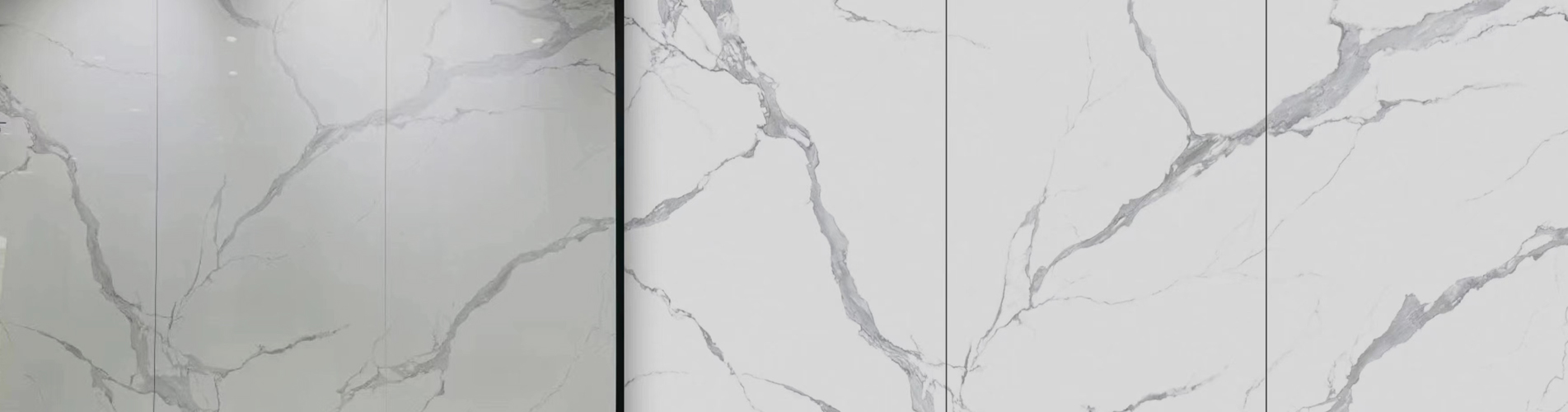
Additionally, large format porcelain tiles are increasingly popular for wall designs, as they create a seamless and high-end appearance with fewer grout lines. This makes them a great choice for modern interior spaces.
Porcelain also excels in replicating natural materials. marble effect porcelain tile and stone-look designs are widely used to achieve a luxury aesthetic without the maintenance of natural stone.
Ceramic vs Porcelain Tile: Which is Better for Walls?
In most cases, ceramic wall tiles are sufficient and even preferable for standard wall applications due to their ease of installation and cost efficiency. However, if your project requires higher durability, lower water absorption, or a premium finish, porcelain wall tiles may be the better investment.
Ultimately, the decision depends on your design goals, budget, and installation requirements. Both materials can deliver excellent results when used in the right context.
 Is Ceramic or Porcelain Tile Better for Walls?









 IPv6 network supported