Bathrooms in tropical regions, coastal areas, and homes with limited ventilation face a common problem: moisture stays in the air for longer, especially after showers. Over time, condensation, soap residue, mildew around grout joints, and poor wall ventilation can affect both the appearance and maintenance of a bathroom.
Choosing the right bathroom wall tiles for humid climates is not simply about selecting a beautiful pattern. The tile material, glazed surface, installation method, grout quality, and ventilation all influence how well the bathroom performs over time. For homeowners, contractors, hotels, and tile distributors, making the right choice at the beginning can reduce maintenance costs and help keep bathroom walls looking clean.
This guide explains what to look for when choosing bathroom wall tiles for humid climates, with practical recommendations for residential bathrooms, shower areas, and commercial projects.
In humid climates, bathrooms may remain damp long after daily use. Warm showers produce water vapor, while poor airflow slows evaporation from walls, corners, grout joints, and other surfaces. This creates conditions where mold and mildew can develop, particularly on organic materials or areas that remain wet.
Bathroom wall tiles provide a durable, easy-to-clean surface, but not every tile performs equally in moisture-prone environments. A suitable tile should have a surface that resists water, stains, and routine cleaning products. The tile body should also be appropriate for its intended application.
For example, a glazed ceramic wall tile may be a practical choice for ordinary bathroom walls, while a low-absorption porcelain tile is often a better option for walls exposed to frequent direct water or demanding wet-area conditions. The correct choice depends on the tile's technical specifications and the installation system.
For residential and commercial projects, buyers can compare different styles and specifications through AONAV's interior wall tile collection, which includes decorative options for a variety of indoor applications.
Water absorption is one of the most useful technical indicators when selecting tiles for humid environments. It describes how much water a tile body absorbs under standardized testing conditions. Lower water absorption generally indicates a denser tile body.
However, wall tile selection should not rely on water absorption alone. Glaze quality, intended application, installation materials, waterproofing, and exposure to standing or direct water also matter.
| Tile Type | Typical Characteristics | Suitable Application |
|---|---|---|
| Porcelain tile | Dense body, generally very low water absorption | Wet areas, shower walls, bathrooms and demanding applications when properly installed |
| Glazed ceramic wall tile | Protective glazed surface, many colors and finishes | Bathroom walls, vanity walls and suitable shower-wall applications according to product specifications |
| Natural stone tile | Natural variation, may require sealing and specialized maintenance | Decorative walls where maintenance requirements can be managed |
For bathrooms with frequent showers, porcelain tile is often a dependable choice because its dense body absorbs very little water. For less demanding wall areas, glazed ceramic tile can also provide good performance when the product is suitable for the application.
Before placing a bulk order, request the manufacturer's technical data, including water absorption, dimensions, surface finish, and recommended application. AONAV's guide to tile water absorption rates provides additional information to help buyers compare materials.
Both glazed ceramic and porcelain tiles are widely used in bathroom projects. The better option depends on the installation area, budget, product specifications, and design requirements.
Glazed ceramic wall tiles are popular for bathroom renovations and residential projects because they offer a wide selection of colors, patterns, and sizes. Their glazed surfaces are easy to wipe down, helping remove soap residue and everyday splashes. They can be an economical solution for bathroom walls when the tile is rated for the intended use.
Porcelain tiles are made with a denser body and generally have lower water absorption. This makes them particularly suitable for areas exposed to more frequent moisture, provided the installation system is also designed for wet conditions.
For buyers comparing products for bathrooms, AONAV offers indoor glazed ceramic wall tiles in different decorative styles for interior projects.

For a bathroom that experiences heavy daily use, such as a hotel bathroom or shared washroom, porcelain may be worth considering for areas with more direct water exposure. For private bathrooms, glazed ceramic can offer an attractive balance between appearance, cost, and maintenance.
Surface finish affects more than appearance. It changes how light is reflected, how water marks appear, and how easy it is to remove soap residue or mineral deposits.
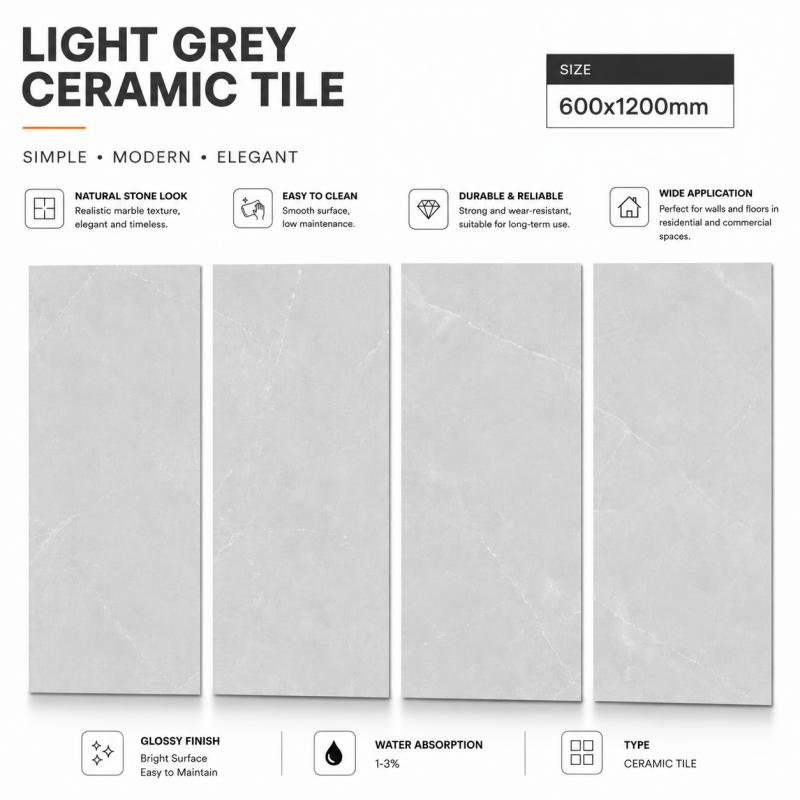
Glossy bathroom wall tiles are a common choice for humid climates. Their smooth glazed surfaces are generally easy to clean, and reflected light can make a small bathroom appear brighter. Glossy white, cream, and light grey tiles are especially popular in bathrooms with limited natural light.
Matte wall tiles provide a softer, more understated appearance. Depending on their texture, some matte surfaces may conceal minor water marks better than highly reflective finishes. However, deeply textured surfaces may require more effort to clean if soap residue accumulates in the grooves.
For frequently used shower walls, prioritize a finish that can be cleaned easily without aggressive scrubbing. When selecting textured or decorative tiles, ask for samples and test how soap residue and water marks look after drying.
AONAV's ceramic tile product collection offers multiple styles for buyers who need to compare colors, textures, and finishes for different bathroom design requirements.
Tile size can influence the number of grout joints, installation work, visual proportions, and material waste. In humid climates, fewer grout joints may simplify routine cleaning, but grout quality and maintenance remain important.
Large-format tiles can create a cleaner, more continuous appearance with fewer joints. They work well in spacious bathrooms, hotel bathrooms, and modern residential interiors. However, walls must be sufficiently flat, and installers need appropriate tools and experience.
Smaller wall tiles may be easier to fit around niches, plumbing fixtures, and compact bathroom layouts. They also provide greater flexibility for decorative patterns or feature walls.
| Tile Size | Common Application | Consideration |
|---|---|---|
| 200 × 300 mm | Compact bathrooms and traditional wall layouts | More grout joints and flexible cutting |
| 250 × 400 mm | Residential bathroom walls | Balanced proportions and manageable installation |
| 300 × 600 mm | Modern bathrooms and shower surrounds | Fewer joints with a clean contemporary appearance |
| 400 × 800 mm | Large bathroom walls and hotel projects | Requires careful wall preparation and handling |
| 600 × 1200 mm | Premium bathrooms and feature walls | Professional installation and accurate substrate preparation |
For many residential bathrooms, 300 × 600 mm tiles offer a practical balance between appearance and installation flexibility. Larger sizes may be preferred for luxury interiors where a seamless marble-look design is the goal.
Buyers can also review AONAV's tile size selection guide when planning wall dimensions and product specifications.
Even moisture-resistant tiles cannot prevent water from entering a wall through poorly sealed joints, cracks, or an inadequate waterproofing layer. In humid climates, the installation system is just as important as the tile itself.
Before tiling a bathroom, the substrate should be properly prepared, and waterproofing should be installed in the areas required by local building regulations and the project design. Shower floors, shower walls, corners, pipe penetrations, and transitions are particularly important details.
Grout should be selected according to the joint width, tile material, moisture exposure, and cleaning requirements. Cement-based grout may need sealing depending on the product. Epoxy grout generally offers stronger resistance to staining and moisture penetration, but it requires correct installation and may cost more.
For a bathroom in a tropical or coastal location, a well-designed waterproofing system, suitable grout, and correctly installed tiles help reduce the risk of moisture-related problems.
Color is an important consideration in bathrooms located in humid regions. Light colors can make the room feel brighter and cleaner, especially where natural daylight is limited.
White, warm beige, light grey, and soft stone patterns are common choices for bathroom wall tiles. They complement many sanitary fixtures and work well in residential properties, hotels, apartments, and rental housing.
Dark tiles can also create a sophisticated design, particularly when used on one feature wall or combined with lighter surrounding surfaces. However, dark glossy tiles may show water spots, mineral deposits, and soap residue more clearly in some lighting conditions.
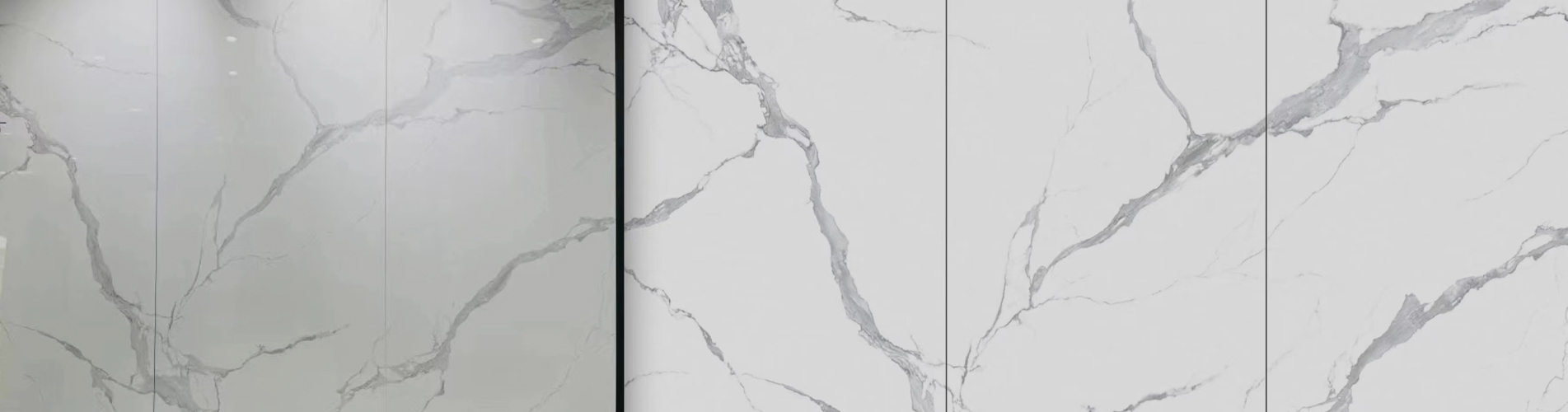
Marble-look ceramic tiles are a popular option because they offer the appearance of natural stone while providing a more practical tiled surface for everyday bathroom maintenance. Explore AONAV's full polished tile collection for decorative designs that can complement modern bathroom interiors.
Tile selection alone cannot solve persistent humidity problems. Bathrooms in humid climates benefit from adequate ventilation, including exhaust fans where needed, windows when available, and sufficient airflow after showering.
Simple maintenance habits can also help:
These measures help reduce the time surfaces remain wet and support a cleaner bathroom environment. Even well-selected tiles need routine care, particularly in rooms with limited ventilation.
Not every humid bathroom has the same requirements. The best tile choice depends on how frequently the room is used, how much direct water reaches the walls, and how well moisture can escape.
| Environment | Recommended Tile Choice | Priority |
|---|---|---|
| Tropical residential bathroom | Glazed ceramic or porcelain wall tile suitable for bathroom use | Easy cleaning and moisture-resistant surfaces |
| Shower enclosure | Porcelain or suitable glazed ceramic with verified wet-area application | Waterproofing and reliable installation |
| Coastal property | Durable glazed tile or low-absorption porcelain | Frequent cleaning and suitable grout |
| Hotel and commercial bathroom | Porcelain or project-specified ceramic wall tile | Durability, consistent supply, maintenance efficiency |
| Small bathroom with limited airflow | Light-colored glazed tile with an easy-clean finish | Lighting, airflow, and reducing moisture buildup |
For importers, wholesalers, contractors, and project buyers, choosing bathroom tiles involves more than selecting a design from a catalog. Product consistency, packaging, dimensions, and supply capacity can affect the entire project.
Before confirming an order, consider checking:
For distributors serving tropical markets, maintaining a consistent selection of light-colored bathroom wall tiles, marble-look designs, and popular rectangular sizes can help meet different customer preferences.

AONAV Ceramics supplies ceramic tiles for residential and commercial applications and supports OEM and customization requirements. Buyers looking for bathroom wall tile options can discuss dimensions, finishes, packaging, and project quantities directly with the supplier.
AONAV Ceramics supplies interior wall tiles in a range of sizes, colors, and decorative styles for residential and commercial projects. Product options include marble-look designs, contemporary patterns, and glazed surfaces suitable for different interior requirements.
For bathrooms in humid climates, buyers should select products according to the actual installation area and confirm the technical specifications before ordering. AONAV can help buyers compare designs and product sizes for bathroom projects, hotels, residential developments, and distribution markets.
Whether you are sourcing tiles for a single renovation, a hotel project, or wholesale distribution, the right combination of tile material, surface finish, installation details, and maintenance planning can make a significant difference in long-term performance.
View the ceramic bathroom wall tile collection or contact AONAV to discuss product options, samples, and quotation requirements for your market.
Contact AONAV Ceramics for Bathroom Tile Specifications and Pricing
What are the best bathroom wall tiles for humid climates?
Porcelain tiles and suitable glazed ceramic wall tiles are popular choices. Porcelain has a dense body and generally low water absorption, while glazed ceramic offers an easy-to-clean surface and a wide range of designs. The best option depends on the exposure to direct water and the product specifications.
Are ceramic wall tiles suitable for bathrooms in tropical climates?
Yes, glazed ceramic wall tiles can be suitable for bathroom walls in tropical climates when the product is designed for the application and properly installed. Areas exposed to frequent direct water should use products and installation systems rated for wet-area conditions.
Does glossy tile prevent mold in bathrooms?
Glossy tile does not prevent mold by itself. A smooth glazed surface is generally easier to clean, but mold prevention also depends on ventilation, grout maintenance, waterproofing, and reducing prolonged moisture buildup.
Is porcelain better than ceramic for shower walls?
Porcelain is often preferred for shower walls because its dense body typically absorbs less water. Suitable glazed ceramic tiles can also be used in shower-wall applications if their specifications and installation requirements permit it.
What tile size is best for bathroom walls?
300 × 600 mm is a popular size for bathroom walls because it balances appearance, installation flexibility, and the number of grout joints. Larger tiles may be suitable for spacious bathrooms, while smaller sizes work well around niches and fixtures.
Which tile colors are best for humid bathrooms?
White, beige, light grey, and soft stone-look colors are popular because they create a bright, clean appearance and work with a wide range of bathroom fixtures. Color does not determine moisture resistance, so material specifications should still be checked.
How can I reduce mold on bathroom tile grout?
Use suitable grout, ensure the waterproofing system is correctly installed, clean grout regularly, remove excess moisture after showering, and maintain sufficient ventilation. Repair cracked grout or damaged seals when necessary.
Can bathroom wall tiles be used in hotels and commercial projects?
Yes. Bathroom wall tiles are widely used in hotels, apartments, offices, and commercial buildings. Project buyers should confirm durability, technical specifications, supply consistency, cleaning requirements, and installation suitability before ordering.









 IPv6 network supported