When selecting floor tiles for a busy commercial building, appearance is only one part of the decision. The floor must also withstand continuous foot traffic, dirt carried in from outside, regular cleaning, and the gradual surface wear that develops over time. This is why the PEI rating for high traffic areas is an important specification for architects, contractors, property developers, and tile distributors.
PEI ratings help buyers evaluate the abrasion resistance of glazed tile surfaces. However, not every floor tile needs the same rating. A hotel guest room, a supermarket entrance, and an airport corridor experience very different levels of wear. Choosing the right PEI class helps balance product performance, project requirements, and procurement costs.
This guide explains what PEI ratings mean, whether PEI 4 or PEI 5 is better for commercial flooring, and which other technical specifications should be checked before ordering floor tiles from a manufacturer such as AONAV Ceramics.
Quick Answer: What PEI Rating Is Best for High Traffic Areas?
For most commercial spaces with regular pedestrian traffic, PEI 4 is a practical starting point. For areas exposed to continuous, heavy foot traffic, such as shopping malls, airport corridors, and large public facilities, PEI 5 is generally the more appropriate choice. The final selection should also consider slip resistance, water absorption, mechanical strength, surface finish, and the manufacturer's test report.
What Is the PEI Rating of Floor Tiles?
PEI stands for Porcelain Enamel Institute. In the tile industry, a PEI rating describes the abrasion resistance of a glazed tile surface. It helps determine whether a glazed floor tile is suitable for a particular level of pedestrian traffic.
The test evaluates how well the glaze withstands abrasive wear. During everyday use, small particles of sand, dust, and other debris can be carried onto a floor by shoes. As people walk across the surface, these particles contribute to gradual abrasion. Over time, this can affect the appearance of the glaze.
Under ISO 10545-7, the surface abrasion resistance of glazed ceramic tiles is evaluated using a standardized testing method. The resulting classification helps manufacturers and buyers understand the intended application of a tile.
It is important to understand that PEI does not measure every aspect of tile quality. It does not directly indicate breaking strength, impact resistance, slip resistance, or water absorption. A tile with a high PEI rating is not automatically the best choice for every commercial floor.
Understanding PEI Ratings from Class 1 to Class 5
PEI classifications are commonly divided into five main classes. As the class increases, the glazed surface is generally suitable for more demanding abrasion conditions.
PEI Rating
Traffic Level
Typical Applications
PEI 1
Very light traffic
Bedrooms and bathrooms with barefoot or soft-soled footwear
PEI 2
Light traffic
Low-traffic residential living areas
PEI 3
Moderate residential traffic
Residential kitchens, hallways, and living spaces
PEI 4
Moderate to heavy traffic
Hotel corridors, restaurants, retail stores, entrances, and offices
PEI 5
Heavy and sustained traffic
Shopping malls, airport public areas, and busy commercial facilities
These application examples are general selection guidance rather than a substitute for project specifications. Actual suitability depends on the amount of traffic, footwear, abrasive dirt, cleaning practices, and the manufacturer's declared product performance.
For buyers sourcing commercial floor tiles, PEI 4 and PEI 5 are usually the two classes worth comparing first. PEI 3 may be sufficient for ordinary residential projects, but it should not be automatically specified for a busy public entrance or commercial walkway.
PEI 4 vs PEI 5: Which Is Better for Commercial Flooring?
PEI 4 and PEI 5 are both relevant to commercial flooring, but they are designed for different levels of surface abrasion. The correct option depends on how frequently the floor is used and how much abrasive material is likely to be present.
PEI 4 floor tiles are commonly considered for commercial areas with regular pedestrian movement. Examples include hotel corridors, restaurant dining areas, office reception spaces, retail shops, and public entrances with moderate traffic.
PEI 5 floor tiles are intended for more demanding conditions. They are worth considering for large shopping centers, airport concourses, busy public walkways, and other facilities where foot traffic is frequent and sustained throughout the day.
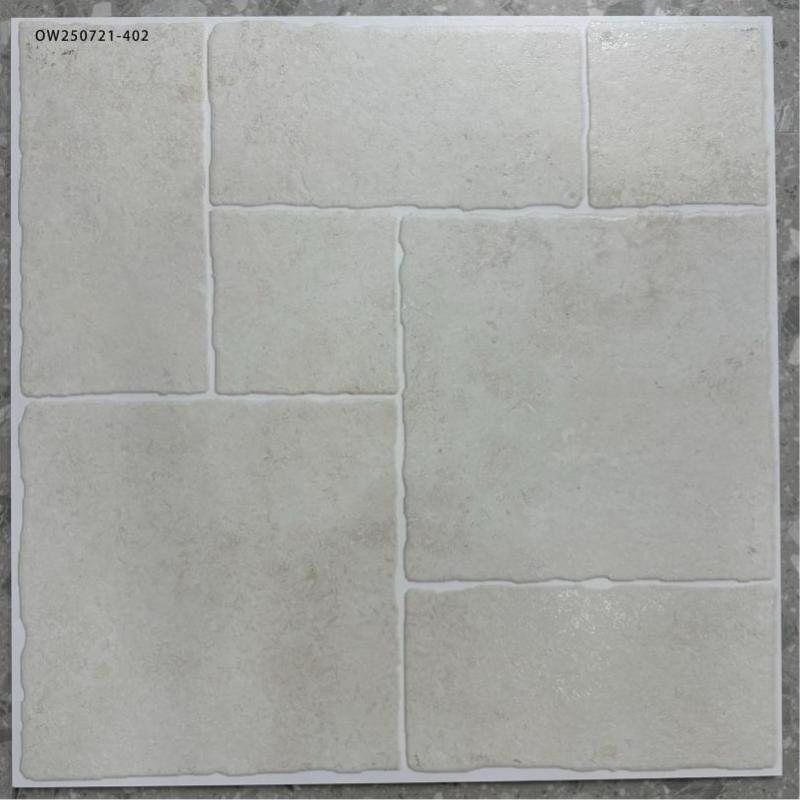
Rustic limestone-look floor tile from AONAV's floor tile collection.
However, a higher PEI number should not be the only reason for choosing a product. A PEI 5 tile with an unsuitable surface finish may still be a poor choice for a wet entrance. Likewise, a product with good abrasion resistance may not be suitable for an area exposed to heavy rolling loads unless its mechanical properties have also been verified.
For a commercial project, the most reliable approach is to define the traffic conditions first, then compare the manufacturer's PEI test results and other relevant technical specifications.
What PEI Rating Do Different High Traffic Areas Need?
There is no single PEI rating that fits every commercial building. The expected traffic pattern, entrance location, floor maintenance routine, and type of footwear all influence the selection.
Hotel lobbies and corridors: PEI 4 is a common specification to evaluate for areas with regular guest movement. Large hotels with busy public circulation areas may require PEI 5, depending on the expected traffic and project requirements.
Restaurants and cafes: Dining areas experience regular foot traffic, chair movement, food spills, and frequent cleaning. PEI 4 may be appropriate for many applications, but slip resistance and stain resistance should also be checked.
Shopping malls and retail stores: These spaces can experience continuous pedestrian movement, particularly near entrances, escalators, and major retail walkways. PEI 4 or PEI 5 may be considered according to the actual traffic volume.
Airports and transport facilities: Public corridors and waiting areas often experience sustained foot traffic, luggage movement, and frequent cleaning. PEI 5 is generally worth evaluating for glazed tiles in these demanding environments.
Office buildings: Office corridors, reception areas, and shared facilities may be suitable for PEI 4, while smaller private offices with limited traffic may have different requirements.
Residential entrances and kitchens: These areas often experience more abrasive dirt than bedrooms or other low-traffic rooms. PEI 3 may work in many homes, while particularly busy entrances may justify considering a higher class.
For projects with unusually high traffic, heavy equipment, or wheeled loads, do not rely on PEI alone. Request additional mechanical performance data and confirm that the complete tile installation system is suitable for the expected loads.
Does a Higher PEI Rating Mean a Better Quality Tile?
Not necessarily. PEI measures the abrasion resistance of the glazed surface, not the overall quality of a ceramic or porcelain tile.
For example, a PEI 5 tile may offer excellent surface wear performance, but that does not automatically mean it has better slip resistance or higher breaking strength than a PEI 4 product.
When evaluating commercial floor tiles, buyers should consider several technical factors together:
Surface abrasion resistance: Indicates how well a glazed surface withstands wear from foot traffic and abrasive particles.
Water absorption: Helps identify the tile body classification and suitability for moisture-exposed applications.
Breaking strength: Provides information about the tile's ability to withstand mechanical loading under specified test conditions.
Slip resistance: Helps assess the risk of slipping under the intended dry or wet conditions.
Stain resistance: Indicates how easily common substances can be removed from the tile surface.
Surface finish: Affects appearance, cleaning requirements, and the way the floor performs in its intended environment.
For buyers comparing different porcelain floor tiles, these specifications provide a more complete picture than a single PEI number.
Is PEI Rating the Same as Slip Resistance?
No. PEI rating and slip resistance describe two different tile performance characteristics.
PEI focuses on abrasion resistance of the glazed surface. Slip resistance evaluates how much traction a floor surface provides under specified testing conditions.
This distinction is particularly important in commercial environments. A hotel entrance may experience both heavy pedestrian traffic and water brought in by rain. A tile selected only for its PEI rating may not provide the surface characteristics required for safe use in that location.
Textured rustic-style floor tile surface for interior flooring applications.
When specifying tiles for bathrooms, restaurant kitchens, public entrances, or other areas where water may be present, ask for slip-resistance test results that match the destination market and installation conditions.
For example, some North American projects refer to the wet dynamic coefficient of friction (DCOF), while other markets may use different slip-resistance testing systems. These values should not be treated as directly interchangeable.
AONAV offers different floor tile styles, including textured and rustic designs. Buyers can compare the available options in the Rustic Floor Tile collection, then request the relevant technical data before confirming a product for a high-traffic installation.
Glazed Tiles vs Unglazed Tiles: Does PEI Apply to Both?
One technical detail that buyers sometimes overlook is that PEI classification is intended for glazed tile surfaces. It is not the correct abrasion test for every type of floor tile.
Glazed tiles have a surface layer that provides color, pattern, texture, or decorative effects. Their surface abrasion resistance can be evaluated using the PEI method under ISO 10545-7.
Unglazed tiles, including certain through-body products, are evaluated using a different approach. Deep abrasion resistance is commonly assessed under ISO 10545-6, which measures the volume of material removed from the tile surface.
This means a buyer should not assume that an unglazed tile is low quality simply because it does not have a PEI classification. Instead, request the appropriate abrasion test result for the specific tile construction.
For distributors and project contractors, confirming whether a product is glazed or unglazed before comparing technical documents can prevent incorrect product selection.
How to Choose High Traffic Floor Tiles for Commercial Projects
Choosing a suitable commercial floor tile requires more than selecting a high PEI class. Buyers should evaluate the complete operating environment and confirm that the product meets the project's technical requirements.
Start with the expected traffic level. Estimate how many people will use the floor each day. A small office corridor and a busy shopping mall entrance should not automatically receive the same tile specification.
Consider abrasive dirt. Sand, dust, and small particles brought in from outside can accelerate surface wear. Entrance areas may require more attention than internal spaces with controlled access.
Check the intended surface finish. Glossy, matte, and textured surfaces have different visual and maintenance characteristics. For wet or frequently cleaned environments, verify slip resistance rather than assuming a matte surface is automatically slip-resistant.
Verify the tile body. Water absorption helps determine whether the product is suitable for moisture exposure. For porcelain tiles, the commonly used classification threshold is water absorption of 0.5% or less by mass, subject to the applicable product standard and test method.
Review the manufacturer's technical documents. Ask for the PEI test report where applicable, water absorption results, breaking strength, slip-resistance data, and stain-resistance information. The report should identify the tested model and relevant standard.
Check batch consistency and supply capacity. Large commercial projects may require multiple containers or phased deliveries. Confirm product availability, shade variation, caliber, packaging, and whether the same specification can be maintained across production batches.
Neutral-toned rustic floor tile sample from AONAV's product range.
For buyers looking for a specific commercial flooring appearance, AONAV's Rustic Limestone Style Matte Surface Interior Floor Porcelain Tile is one product option to review. Its product page lists multiple size and surface options, including glazed matte finishes. The listed water absorption ranges cover different product specifications, so buyers should confirm the exact value for the selected model rather than assume all options share the same performance.
What Should Buyers Ask a Tile Manufacturer Before Ordering?
When purchasing floor tiles for a commercial project, a clear technical specification can reduce misunderstandings between the buyer, manufacturer, installer, and project manager.
Before placing a bulk order, consider asking the supplier the following questions:
What is the PEI rating of the exact glazed tile model?
Can you provide an abrasion resistance test report referencing ISO 10545-7?
What is the water absorption rate of the selected tile?
What slip-resistance test results are available for the selected surface finish?
What are the breaking strength and modulus of rupture results?
Are the selected size, color, and surface finish available for repeat orders?
Can you provide samples for review before mass production?
A professional supplier should be able to explain which specifications are available for each product and identify when additional testing or documentation is required.
AONAV Ceramics supplies ceramic tile collections for residential and commercial applications, including rustic floor tiles, polished tiles, and wood-look designs. With OEM and customization support, the company works with international buyers who need different sizes, patterns, and product selections for their markets.
For buyers comparing different surface styles and flooring options, the Full Polished Tile collection provides another category to review. The final choice should always be based on the specific product's intended use and verified performance data.
Why Technical Verification Matters for Long-Term Flooring Performance
Commercial flooring is a long-term investment. Replacing tiles in a hotel, shopping center, or office building can involve material costs, labor, business disruption, and additional maintenance expenses.
Selecting a tile with an appropriate abrasion rating is one way to reduce the risk of premature surface wear. However, installation quality also plays an important role. An uneven substrate, unsuitable adhesive, incorrect joint design, or poor installation practices can affect the performance of even a well-rated tile.
Maintenance should also match the manufacturer's recommendations. Abrasive cleaning tools and unsuitable chemicals may damage some tile surfaces over time. Entrance mats, regular dust removal, and appropriate cleaning procedures can help reduce the amount of abrasive dirt on the floor.
For distributors, contractors, and property developers, the best purchasing decision is based on a combination of product samples, technical reports, installation requirements, and reliable supply arrangements.
When sourcing from AONAV, buyers can discuss product styles, sizes, surface options, and customization requirements with the team. For commercial projects, it is advisable to provide the intended application and request the technical documents for the exact model before confirming the order.
Frequently Asked Questions About PEI Ratings for High Traffic Floor Tiles
What PEI rating is best for high traffic areas?
PEI 4 is commonly considered for commercial areas with regular pedestrian traffic, such as hotel corridors, restaurants, and retail stores. PEI 5 is generally more suitable for demanding environments with sustained heavy traffic, including shopping malls and airport public areas. The final choice depends on the actual conditions and product test results.
Is PEI 4 suitable for commercial flooring?
Yes. PEI 4 is commonly used as a selection level for moderate-to-heavy commercial traffic. It may be suitable for offices, hotel corridors, restaurants, and retail spaces when the other tile specifications also meet project requirements.
Is PEI 5 better than PEI 4?
PEI 5 indicates a higher level of glazed surface abrasion resistance than PEI 4. It is generally intended for more demanding traffic conditions. However, a higher PEI rating does not automatically mean better slip resistance, impact resistance, or overall tile quality.
Can PEI 3 tiles be used in high traffic areas?
PEI 3 is generally associated with residential floors exposed to normal daily use. It may not be the best choice for commercial areas with frequent pedestrian traffic and abrasive dirt. Buyers should check the project requirements before specifying PEI 3 for a public or commercial floor.
Does PEI rating measure slip resistance?
No. PEI measures the abrasion resistance of glazed tile surfaces. Slip resistance is a separate performance characteristic and should be evaluated using the applicable test method for the project market and wet or dry installation conditions.
Do unglazed porcelain tiles have a PEI rating?
PEI testing applies to glazed tile surfaces. Unglazed tiles are generally evaluated for deep abrasion resistance using ISO 10545-6 rather than the PEI classification under ISO 10545-7.
What documents should I request when buying commercial floor tiles?
Request the technical data sheet and relevant test reports for the exact product model. Depending on the project, these may include PEI abrasion resistance, water absorption, breaking strength, slip resistance, and stain resistance results.
Does AONAV provide floor tiles for commercial projects?
AONAV supplies ceramic tile collections for residential and commercial applications, including rustic floor tiles and polished tile designs. Buyers can discuss available sizes, finishes, customization, and project requirements with the company and request the relevant technical specifications for their selected products.
Need Floor Tiles for a Commercial Project?
Share your project type, expected traffic level, preferred tile size, and surface finish with AONAV. The team can help you review suitable product options and confirm the technical information available for the selected model before ordering.
{
"@context": "https://schema.org",
"@type": "FAQPage",
"mainEntity": [
{
"@type": "Question",
"name": "What PEI rating is best for high traffic areas?",
"acceptedAnswer": {
"@type": "Answer",
"text": "PEI 4 is commonly considered for commercial areas with regular pedestrian traffic, such as hotel corridors, restaurants, and retail stores. PEI 5 is generally more suitable for demanding environments with sustained heavy traffic, including shopping malls and airport public areas. The final choice depends on the actual conditions and product test results."
}
},
{
"@type": "Question",
"name": "Is PEI 4 suitable for commercial flooring?",
"acceptedAnswer": {
"@type": "Answer",
"text": "Yes. PEI 4 is commonly used as a selection level for moderate-to-heavy commercial traffic. It may be suitable for offices, hotel corridors, restaurants, and retail spaces when the other tile specifications also meet project requirements."
}
},
{
"@type": "Question",
"name": "Is PEI 5 better than PEI 4?",
"acceptedAnswer": {
"@type": "Answer",
"text": "PEI 5 indicates a higher level of glazed surface abrasion resistance than PEI 4. It is generally intended for more demanding traffic conditions. However, a higher PEI rating does not automatically mean better slip resistance, impact resistance, or overall tile quality."
}
},
{
"@type": "Question",
"name": "Can PEI 3 tiles be used in high traffic areas?",
"acceptedAnswer": {
"@type": "Answer",
"text": "PEI 3 is generally associated with residential floors exposed to normal daily use. It may not be the best choice for commercial areas with frequent pedestrian traffic and abrasive dirt. Buyers should check the project requirements before specifying PEI 3 for a public or commercial floor."
}
},
{
"@type": "Question",
"name": "Does PEI rating measure slip resistance?",
"acceptedAnswer": {
"@type": "Answer",
"text": "No. PEI measures the abrasion resistance of glazed tile surfaces. Slip resistance is a separate performance characteristic and should be evaluated using the applicable test method for the project market and wet or dry installation conditions."
}
},
{
"@type": "Question",
"name": "Do unglazed porcelain tiles have a PEI rating?",
"acceptedAnswer": {
"@type": "Answer",
"text": "PEI testing applies to glazed tile surfaces. Unglazed tiles are generally evaluated for deep abrasion resistance using ISO 10545-6 rather than the PEI classification under ISO 10545-7."
}
},
{
"@type": "Question",
"name": "What documents should I request when buying commercial floor tiles?",
"acceptedAnswer": {
"@type": "Answer",
"text": "Request the technical data sheet and relevant test reports for the exact product model. Depending on the project, these may include PEI abrasion resistance, water absorption, breaking strength, slip resistance, and stain resistance results."
}
},
{
"@type": "Question",
"name": "Does AONAV provide floor tiles for commercial projects?",
"acceptedAnswer": {
"@type": "Answer",
"text": "AONAV supplies ceramic tile collections for residential and commercial applications, including rustic floor tiles and polished tile designs. Buyers can discuss available sizes, finishes, customization, and project requirements with the company and request the relevant technical specifications for their selected products."
}
}
]
}
 What PEI Rating Do Floor Tiles Need for High Traffic Areas?









 IPv6 network supported