When choosing flooring for a home, hotel, or commercial project, durability is often just as important as appearance. Real wood flooring creates a warm and natural atmosphere, but it can be affected by moisture, scratches, temperature changes, and daily wear. Wood look tiles offer a similar timber appearance while using ceramic or porcelain materials that are designed for easier maintenance and long-term performance.
So, wood look tiles vs real wood flooring: which lasts longer? In most indoor environments, high-quality wood effect porcelain tiles have an advantage in moisture resistance, scratch resistance, and everyday maintenance. Real hardwood, however, has the benefit of being refinished several times, which can extend its service life when properly maintained.
For homeowners, property developers, architects, and flooring distributors, understanding these differences helps determine which material offers better long-term value. AONAV Ceramics supplies a range of wood look ceramic and porcelain tiles in different sizes, colors, and surface finishes, providing practical flooring options for residential and commercial projects.
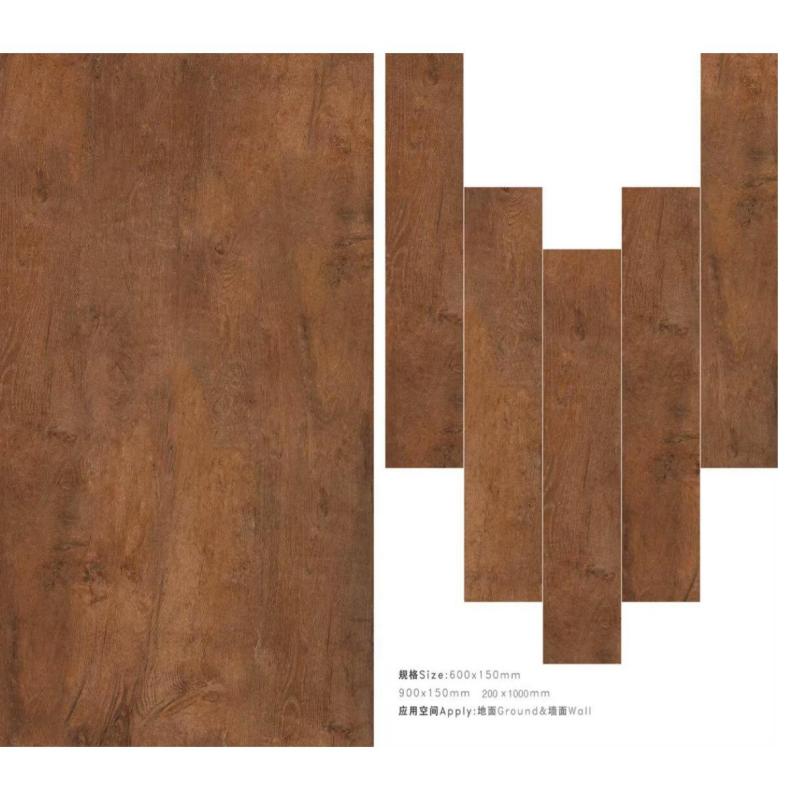
Wood effect floor tiles combine natural timber aesthetics with ceramic flooring performance.
Before comparing their lifespan, it is important to understand how these two flooring materials are made and how their structures affect long-term performance.
Wood look tiles
Wood look tiles are ceramic or porcelain tiles manufactured with printed patterns and surface textures that imitate natural wood. Modern digital inkjet printing and surface treatment technologies can reproduce timber grain, knots, color variations, and natural-looking details.
Unlike natural timber, these tiles are made from clay and mineral-based materials that are processed and fired during manufacturing. Their final performance depends on the tile body, water absorption, glaze, surface finish, and manufacturing quality.
Wood look tiles are available in different formats, including plank-style sizes such as 150x800mm, 150x900mm, 200x1000mm, and 200x1200mm. Larger square formats are also available for projects that prefer a different flooring layout.
Real wood flooring
Real wood flooring is made from natural timber. It generally includes solid hardwood flooring and engineered wood flooring.
Solid hardwood is manufactured from a single piece of natural wood, while engineered wood uses a real wood surface layer bonded to a multi-layer core. Both options provide genuine wood grain and a natural feel underfoot, but their construction affects moisture resistance, stability, and refinishing possibilities.
Natural wood is sensitive to changes in humidity and temperature. Depending on the species, construction, and installation environment, it may expand, contract, scratch, or develop surface damage over time.
For buyers who want the appearance of timber without choosing natural wood, AONAV's Wood Look Tile Collection offers different wood-inspired designs for interior flooring and wall applications.
In general, quality porcelain wood look tiles can provide a longer-lasting flooring surface than natural hardwood in areas exposed to moisture, heavy foot traffic, and frequent cleaning.
However, the actual lifespan of either material depends on product quality, installation, environmental conditions, maintenance, and the type of damage it experiences.
Porcelain tiles are fired at high temperatures and have a dense body with low water absorption when manufactured to the relevant porcelain classification. They are highly resistant to everyday scratches, stains, and moisture. A properly installed porcelain tile floor can remain functional for several decades.
Real hardwood can also last for decades, especially when it is installed in a suitable indoor environment and maintained properly. One advantage is that solid hardwood can often be sanded and refinished to restore its surface appearance. Engineered wood may also be refinished, depending on the thickness of its real wood wear layer.
| Comparison Factor | Wood Look Tiles | Real Wood Flooring |
|---|---|---|
| Expected service life | Several decades with suitable installation and care | Several decades, depending on wood type and refinishing |
| Water resistance | High for suitable porcelain products | Sensitive to prolonged moisture exposure |
| Scratch resistance | Generally high, depending on the surface finish | Can be scratched or dented by furniture and daily use |
| Stain resistance | Generally very good with a suitable glaze | Depends on protective coating and wood type |
| Refinishing | Cannot normally be sanded and refinished like wood | Can often be sanded and refinished |
| Routine maintenance | Sweeping and damp mopping | Requires suitable cleaning and finish maintenance |
| Suitable environments | Living rooms, kitchens, bathrooms, and commercial areas | Primarily controlled indoor environments |
For projects where moisture resistance, low maintenance, and consistent appearance are important, wood look porcelain tiles are often the more practical choice. For buyers who value genuine timber texture and the ability to renew the surface, real wood flooring remains an attractive option.
Water resistance is one of the most important differences between wood look tiles and natural wood flooring.
Wood look porcelain tiles have a dense ceramic body and low water absorption. When installed with suitable grout and waterproofing details, they are a practical choice for spaces where occasional water exposure is common.
Real wood flooring behaves differently. Wood naturally absorbs and releases moisture according to the surrounding humidity. Prolonged water exposure can cause swelling, cupping, warping, discoloration, and damage to the surface finish.
Consider the following applications:
For buyers comparing ceramic and porcelain wood tiles, it is important to check the actual water absorption specification rather than assuming every wood look tile has the same performance.
For example, AONAV lists different water absorption ranges for its wood look ceramic products, while the specific 600x600mm 3D carving wood look porcelain product offers multiple product-body specifications. Buyers should confirm the exact selected model and its test data before placing an order.
Explore AONAV's 600x600mm 3D Carving Wood Look Porcelain Floor Tile for a wood-inspired surface with detailed grain texture.
Flooring in busy homes and commercial buildings is exposed to repeated friction from shoes, furniture, cleaning equipment, and small particles of dirt. Over time, these factors can affect the appearance of the surface.
Wood look tiles generally have an advantage in everyday wear resistance, especially when a suitable porcelain body and durable surface finish are selected.
Wood look tile performance
Porcelain tiles are hard and resistant to many common household scratches. Their glazed surfaces also help reduce staining and make routine cleaning easier.
However, tile performance varies according to the glaze, surface treatment, and product quality. Dragging heavy furniture or dropping hard objects can still chip or crack a tile. Sand and abrasive dirt can also affect some polished or decorative finishes.
Real wood performance
Natural hardwood can develop scratches, dents, and worn surface areas as it is used. Softer wood species are generally more vulnerable to dents, while harder species can provide better resistance to everyday impact.
Protective coatings help reduce surface damage, but they do not make natural wood completely scratch-proof.
One advantage of real wood is that some surface damage can be repaired through sanding and refinishing. Ceramic and porcelain tiles do not offer the same restoration process, so severely damaged tiles may need to be replaced.
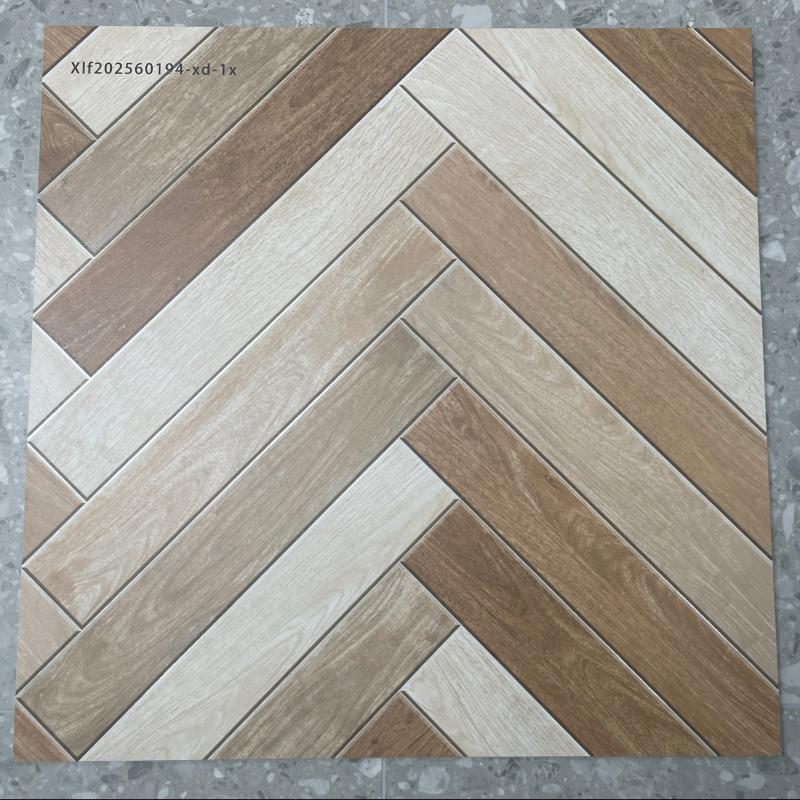
Natural wood-inspired tile patterns for residential and commercial flooring.
For shopping malls, hotel corridors, retail stores, and other high-traffic spaces, choosing the correct tile body and surface finish is essential. Buyers should also review the manufacturer's technical specifications and abrasion or wear test results where applicable.
Long-term flooring costs are not limited to the initial purchase price. Cleaning, maintenance, repairs, and replacement can all influence the total cost of ownership.
Wood look tiles are relatively easy to maintain. Routine sweeping or vacuuming removes dust and loose dirt, while occasional damp mopping is usually sufficient for everyday cleaning.
Most glazed wood look tiles do not require regular sanding, polishing, or protective coating renewal. Grout lines should still be cleaned and maintained to prevent discoloration and dirt accumulation.
Real wood flooring generally requires more careful maintenance. Depending on the finish, it may need specialized cleaning products, periodic recoating, and occasional refinishing.
| Maintenance Task | Wood Look Tiles | Real Wood Flooring |
|---|---|---|
| Regular sweeping | Recommended | Recommended |
| Damp mopping | Generally suitable | Use controlled moisture and suitable cleaners |
| Surface refinishing | Not normally required | May be required over time |
| Protective treatment | Depends on tile finish | Depends on wood finish and condition |
| Water damage repair | Usually limited to grout or installation issues | May require board replacement or refinishing |
For property owners managing multiple residential units or commercial buildings, the lower routine maintenance requirements of wood look tiles can make them an attractive long-term flooring solution.
Durability is important, but flooring also contributes to the overall appearance and comfort of an interior space.
Real wood has natural variations in grain, texture, and color. No two pieces of timber are exactly the same, which gives hardwood flooring a distinctive appearance.
Modern wood look tiles use digital inkjet printing, textured surfaces, and advanced manufacturing techniques to reproduce many of these details. Some products also use 3D carving technology to create a more realistic tactile effect.
For example, AONAV's wood look tile range includes different natural tones, plank-style dimensions, and textured designs. These products can be arranged in straight, staggered, or herringbone patterns to create different interior styles.

Different wood grain colors and finishes for flexible interior design.
There are also differences in underfoot comfort.
Natural wood generally feels warmer and softer underfoot than ceramic or porcelain tiles. Tile surfaces can feel colder, particularly in winter, although underfloor heating can help improve comfort.
For residential projects, the choice may depend on whether the homeowner prioritizes the natural feel of timber or the practical performance of ceramic flooring.
For commercial projects, appearance consistency, maintenance requirements, and replacement availability may be more important than the natural softness of hardwood.
Tile dimensions influence the appearance of a floor, installation layout, and the overall visual effect of the finished space.
Wood look tiles are commonly available in elongated plank formats that resemble traditional timber boards.
150x800mm wood look tiles
This format provides a traditional plank appearance and is suitable for smaller residential rooms, bedrooms, corridors, and selected wall applications. It can be installed in straight or staggered patterns to create a natural wood floor effect.
AONAV's 150x800mm wood look ceramic tile product also lists other available sizes, including 150x900mm, 200x1000mm, and 200x1200mm, with glazed matte surface options.
200x1000mm and 200x1200mm wood look tiles
Longer plank formats can create a more continuous visual effect, making them suitable for larger living rooms, hotel interiors, and open commercial spaces.
600x600mm wood look tiles
Square wood-effect tiles offer a different design approach. They can work well in spaces where a more balanced layout is preferred or where the floor design combines timber-inspired patterns with other materials.

Wood look ceramic plank tiles in different tones and dimensions.
For distributors and project buyers, selecting a consistent tile format and surface finish can help simplify procurement and installation planning.
View AONAV's 150x800mm Wood Look Ceramic Tile for detailed product specifications, available sizes, and customization information.
Wood effect ceramic and porcelain tiles are suitable for a wide range of indoor environments, especially where natural wood may require additional maintenance or protection.
Living rooms and bedrooms
Wood look tiles can create a warm, natural interior appearance without the same moisture sensitivity as hardwood. Different wood tones can complement modern, rustic, Scandinavian, and traditional interior designs.
Kitchens and dining areas
Food spills, water splashes, and frequent cleaning make kitchens practical locations for wood effect tiles. A suitable surface finish can help balance cleaning convenience and slip resistance.
Bathrooms
Wood look tiles provide a way to introduce natural timber aesthetics into bathroom interiors. For floors, buyers should select products with appropriate slip resistance and use a properly designed waterproofing system.
Hotels and hospitality projects
Hotels require flooring that maintains a consistent appearance under regular guest traffic and frequent cleaning. Wood look tiles can be used in corridors, guest rooms, reception areas, and other suitable interior spaces.
Retail and commercial environments
Shops, restaurants, offices, and showrooms often need flooring that combines visual appeal with practical maintenance. Ceramic and porcelain wood tiles provide different design options without relying on natural timber.
For commercial flooring projects that require textured surfaces and a more rustic appearance, AONAV also offers a range of Rustic Floor Tiles that can complement wood-inspired interior designs.
Not all wood look tiles offer the same technical performance. Buyers should evaluate the product specifications rather than selecting a tile based only on its appearance.
When sourcing wood effect tiles for residential projects, commercial developments, or wholesale distribution, consider the following factors.
Water absorption rate
Water absorption is an important factor when distinguishing porcelain tiles from other ceramic products. Porcelain tiles are generally classified by a water absorption rate of no more than 0.5% under the relevant ISO 13006 classification. Always request the actual product test report and verify the applicable standard.
Surface finish
Glazed matte, textured, and polished finishes offer different visual and practical characteristics. Matte or textured finishes may be more appropriate for certain floor applications, while the slip resistance of the finished tile should be verified using relevant test data.
Tile dimensions and flatness
Consistent dimensions and suitable flatness help installers achieve a more even floor surface. Buyers should confirm dimensional tolerances and product calibration when purchasing large quantities.
Wear and stain resistance
For busy residential and commercial environments, review the manufacturer's available abrasion, stain resistance, and surface durability test results. The appropriate test method depends on whether the tile is glazed, unglazed, ceramic, or porcelain.
Color and pattern consistency
Wood effect tiles often use multiple printed faces to reduce repetitive patterns. Buyers should check shade variation, available pattern faces, and the recommended mixing method during installation.
Manufacturer capabilities
For wholesale and project procurement, stable product quality, production capacity, packaging, delivery arrangements, and OEM/ODM support are also important considerations.
AONAV Ceramics provides different wood look tile designs, sizes, and finishes for international markets, with OEM and ODM customization services available for selected products.
Explore the Natural Wood Tones Wood Effect Porcelain Floor Tile to review wood-inspired designs for residential and commercial flooring projects.
Choosing a reliable tile supplier is important for distributors, wholesalers, contractors, and property developers who need consistent products for ongoing projects.
AONAV Ceramics, operated by Fuzhou Aonav Company, specializes in the development, production, and export of ceramic tiles for international customers.
The company's product range includes wood look tiles, interior wall tiles, exterior wall tiles, rustic floor tiles, and full polished tiles in different sizes, colors, and finishes.
For wood-inspired flooring projects, AONAV offers several product options, including:
Customers can evaluate different product designs according to their target market, installation environment, and project requirements.
AONAV also provides several sourcing advantages:
For importers and distributors looking for a wood effect tile manufacturer in China, AONAV can provide product options that balance appearance, technical specifications, and market requirements.
To discuss product specifications, available sizes, and wholesale requirements, visit AONAV Ceramics.
So, which lasts longer: wood look tiles or real wood flooring?
For most applications where moisture resistance, scratch resistance, easy cleaning, and low maintenance are priorities, high-quality porcelain wood look tiles are generally the more practical long-term choice. They provide the visual warmth of timber while avoiding many of the maintenance challenges associated with natural wood.
Real hardwood remains a good option for buyers who prefer genuine natural materials, a softer underfoot feel, and the ability to sand and refinish the surface. With suitable installation and maintenance, it can also remain in use for many decades.
The best flooring material ultimately depends on the building environment, expected foot traffic, budget, design preferences, and maintenance expectations.
For residential developments, hotels, commercial interiors, and wholesale flooring projects, AONAV's wood look ceramic and porcelain tile collections offer different designs and specifications to meet a variety of project requirements.
Do wood look tiles last longer than real wood flooring?
In many indoor environments, high-quality porcelain wood look tiles can last longer with less maintenance because they are resistant to moisture, scratches, and everyday wear. Real hardwood can also last for decades and may be refinished several times, depending on its construction and remaining wear layer.
Are wood look porcelain tiles waterproof?
Porcelain tiles have very low water absorption, generally no more than 0.5% under the relevant classification. However, the complete floor system is not automatically waterproof. Grout joints, movement joints, substrate preparation, and waterproofing details must also be considered.
Are wood look tiles more durable than hardwood?
Wood look porcelain tiles generally offer better resistance to moisture, staining, and everyday surface wear than natural hardwood. However, porcelain can chip or crack under heavy impact, while hardwood can sometimes be repaired through sanding and refinishing.
Can wood look tiles be used in bathrooms and kitchens?
Yes. Suitable ceramic and porcelain wood look tiles can be used in kitchens and bathrooms. For wet floor areas, choose a product with appropriate slip resistance and ensure proper waterproofing and installation.
Do wood effect tiles look like real wood?
Modern wood effect tiles use digital inkjet printing and textured surface treatments to reproduce natural wood grain, knots, and color variations. Some products also use 3D carving technology to create a more realistic texture.
What is the best size for wood look floor tiles?
Popular plank formats include 150x800mm, 150x900mm, 200x1000mm, and 200x1200mm. The best size depends on room dimensions, installation patterns, and the desired visual effect.
Do wood look tiles require special maintenance?
Most glazed wood look tiles require only regular sweeping and damp mopping with a suitable cleaner. Grout lines should be cleaned periodically, and abrasive cleaning products should be avoided when they are not recommended for the surface finish.
Are ceramic wood look tiles the same as porcelain wood look tiles?
No. Both are made from ceramic-based materials, but they differ in technical characteristics, including water absorption. Porcelain tiles generally have a water absorption rate of no more than 0.5% under the relevant classification. Buyers should check the specific product specifications rather than relying only on the wood look design.
Can AONAV supply customized wood look tiles for wholesale projects?
Yes. AONAV offers OEM and ODM services for selected tile products. Buyers can discuss available sizes, colors, surface finishes, packaging, and project requirements with the company before confirming an order.
Looking for a Reliable Wood Look Tile Supplier?
Whether you are sourcing wood effect ceramic tiles for wholesale distribution, residential developments, hotels, or commercial flooring projects, selecting the right product specification is essential.
AONAV Ceramics offers different wood look tile designs, sizes, and finishes, with OEM and ODM support for selected products.









 IPv6 network supported