When designing interior spaces, one of the most effective ways to create the illusion of a larger room is through the strategic use of tile color. Whether you are working with a compact bathroom, a small kitchen, or a limited living area, choosing the right tile color can significantly enhance the perception of space. In this article, we will explore which tile colors make a room look bigger and how to use them effectively, while incorporating popular search terms like Porcelain Tile, Ceramic Tile, and Floor Tile to guide your decision-making.
1. Light Colors Create a Spacious Feel
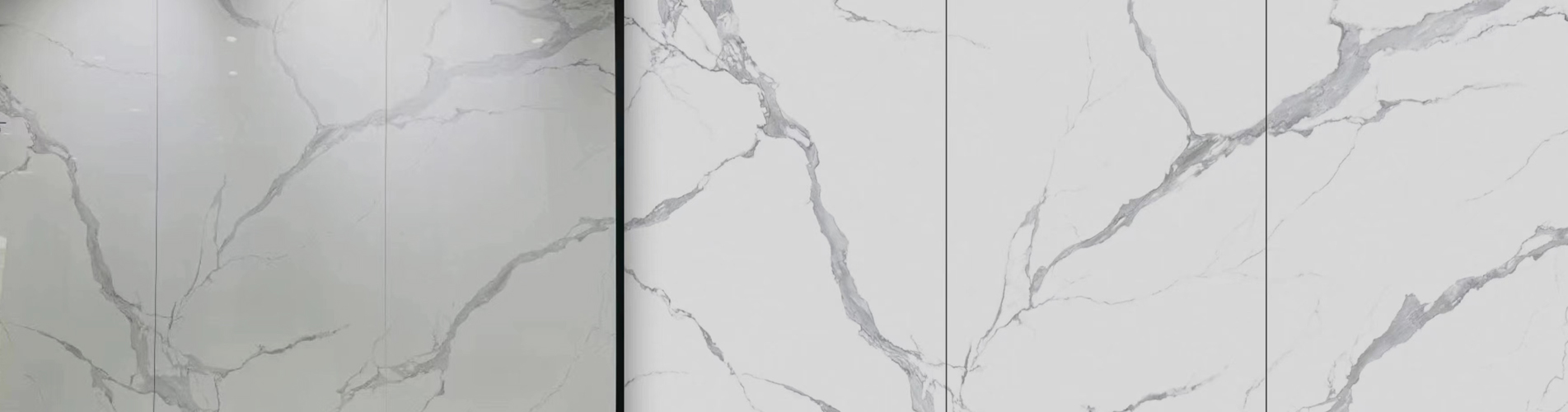
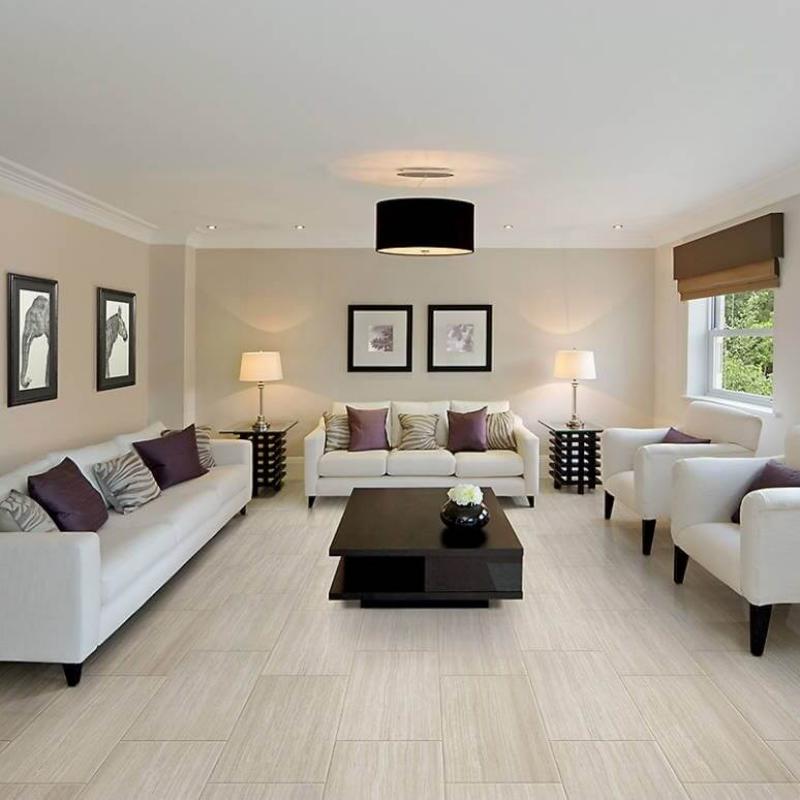
Light-colored tiles are the most recommended option for making a room appear larger. Shades such as white, cream, beige, and light grey reflect more light, making the space feel open and airy. Using Light Grey Porcelain Tile or White Ceramic Tile can instantly brighten a room and reduce visual boundaries.
In particular, Polished Porcelain Tile enhances this effect even further due to its reflective surface. The glossy finish helps bounce natural and artificial light around the room, creating a sense of depth and expansion.
2. Neutral Tones for a Seamless Look
Neutral tones like soft taupe, sand, and warm grey are ideal for creating a continuous and harmonious appearance. These colors work well with various interior styles and prevent the space from feeling crowded.
Using Stone Look Porcelain Tile in neutral shades can mimic natural materials while maintaining a consistent tone throughout the room. This reduces visual interruptions and makes the area appear larger.
3. Large Format Tiles Enhance Space
Color alone is not the only factor—tile size also plays a crucial role. Combining light colors with Large Format Floor Tile minimizes grout lines, resulting in a cleaner and more expansive look.
For example, 600x600 Porcelain Tile or even larger sizes can visually stretch the floor area, making the room feel more open. Fewer grout lines mean less visual fragmentation, which contributes to a spacious effect.
4. Consistent Color Across Surfaces
Using the same or similar tile color on both floors and walls helps create a seamless transition, eliminating visual breaks. This technique is especially effective in small bathrooms or kitchens.
Applying Wall and Floor Porcelain Tile in a consistent light tone ensures continuity and enhances the perception of space. This approach is widely used in modern interior design to achieve a minimalist and open feel.
5. Avoid Dark and Heavy Colors in Small Spaces
While dark tiles like black or deep brown can add elegance, they tend to absorb light and make a room feel smaller. If you prefer darker tones, consider using them as accents rather than the main surface.
Balancing darker shades with lighter Decorative Ceramic Tile elements can help maintain depth without compromising the sense of space.
6. Matte vs. Glossy Finish
Both matte and glossy finishes have their advantages, but glossy tiles are generally more effective in making a room look bigger. As mentioned earlier, Glazed Porcelain Tile with a polished surface reflects light, enhancing brightness.
However, Matte Porcelain Tile in light colors can also work well if you aim for a softer, more natural aesthetic without sacrificing too much openness.
Conclusion
Choosing the right tile color is essential when trying to make a room look bigger. Light colors, neutral tones, and reflective finishes are your best options. When combined with Large Format Porcelain Tile and consistent design choices, you can transform even the smallest space into one that feels open, bright, and inviting.
 What Color Tile Makes a Room Look Bigger?









 IPv6 network supported