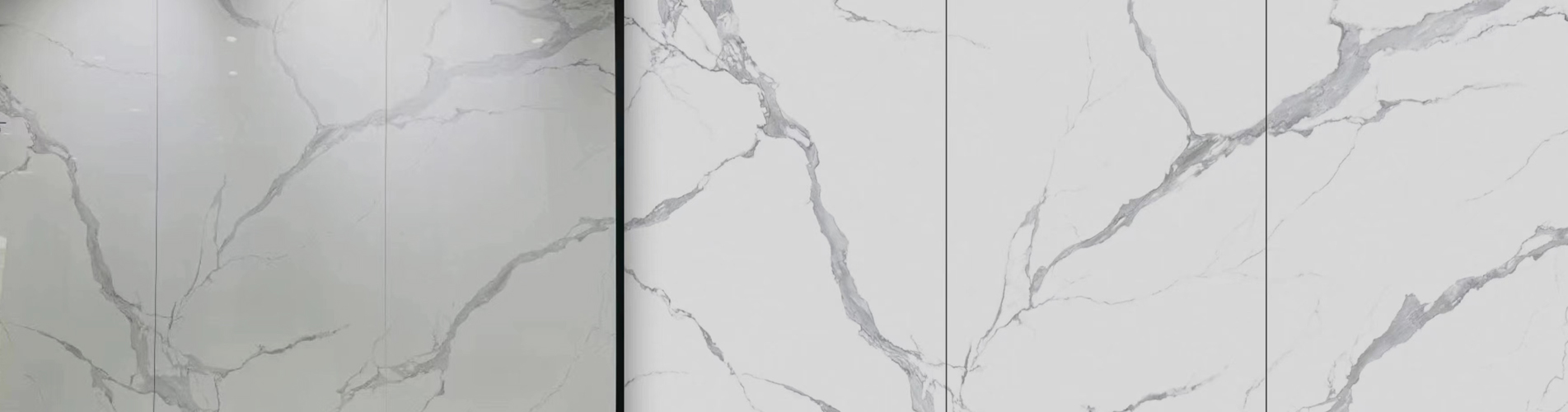
Importing tiles requires careful quality inspection because product quality directly affects your project reputation, customer satisfaction, and long-term business growth. Whether you are purchasing for residential projects, commercial buildings, or retail distribution, selecting reliable tiles from a professional supplier is essential.
As one of the most popular flooring materials worldwide, Porcelain Tile is widely used because of its high durability, low water absorption, and excellent design options. However, quality differences between suppliers can be significant. Before placing a large order, importers should understand how to evaluate tile quality and choose a trustworthy Porcelain Tile Manufacturer.
This guide explains the key factors you should check before importing Porcelain Floor Tile, helping you reduce risks and make better purchasing decisions.
The first step is checking whether the supplier is a real and experienced Tile Factory rather than only a trading company. A professional manufacturer should have stable production lines, quality control procedures, and experience with international export standards.
When choosing a Porcelain Tile Supplier, you should check:
A reliable supplier should be able to provide customized solutions, such as OEM Porcelain Tile and ODM Porcelain Tile, according to your market requirements.
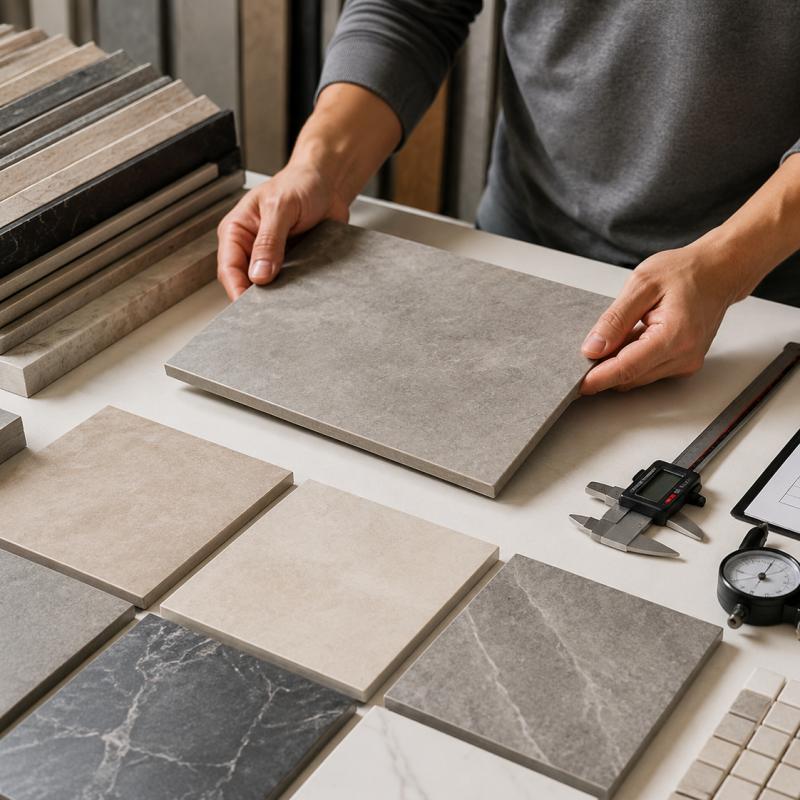
Size consistency is one of the most important factors for tile installation. Poorly manufactured tiles may have size differences or uneven surfaces, causing installation problems and increasing labor costs.
For example, when importing Large Format Porcelain Tile, such as 600x1200mm or larger sizes, flatness control becomes even more important.
You can check quality by:
High-quality tiles should have accurate dimensions and good flatness, allowing easier installation with clean and professional results.
Water absorption is a key indicator of porcelain tile quality. Generally, high-quality Porcelain Tile has very low water absorption, making it suitable for areas with moisture exposure, such as kitchens, bathrooms, hotels, and commercial spaces.
Before importing, ask the supplier for technical specifications and testing reports.
Low water absorption provides:
For buyers looking for premium flooring solutions, choosing low water absorption Porcelain Floor Tile is an important consideration.
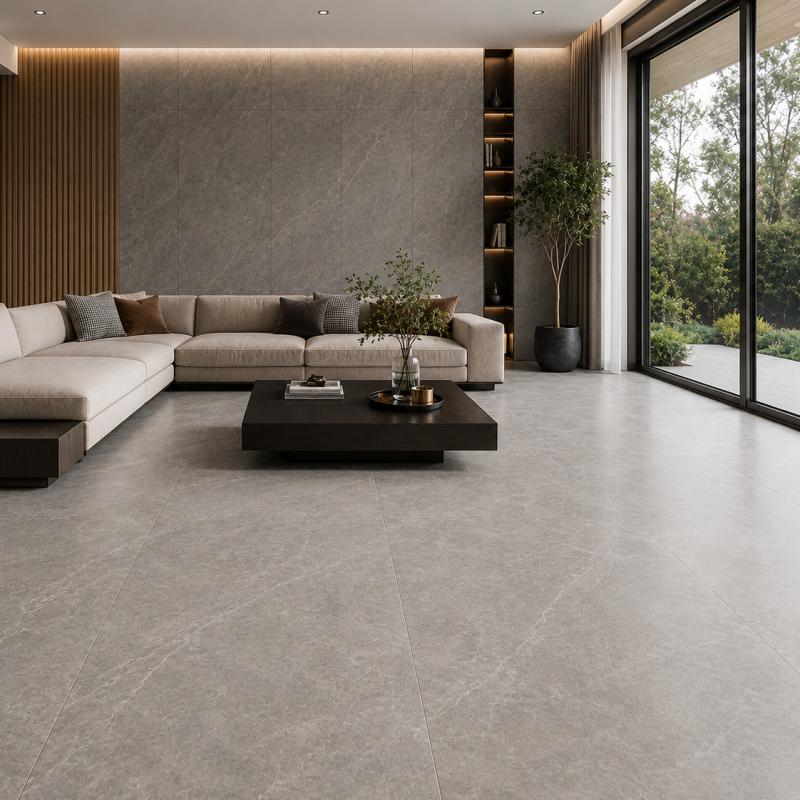
The appearance of tiles directly affects the final decoration effect. A good supplier should provide consistent colors, clear patterns, and stable surface finishes.
When checking samples, pay attention to:
Modern technology allows manufacturers to create realistic stone, marble, and wood designs. For example, Marble Look Porcelain Tile has become increasingly popular because it provides the luxury appearance of natural marble while offering better durability and easier maintenance.
For different project styles, buyers can also choose between Matt Porcelain Tile and Polished Porcelain Tile depending on design requirements.
Tiles are long-term building materials, so mechanical strength is essential. Before importing, you should confirm whether the products can handle transportation, installation, and daily usage.
Important quality factors include:
A professional Porcelain Tile Manufacturer should provide technical data and quality certificates to prove product performance.
High-quality tiles are especially important for commercial projects, where floors receive heavy traffic every day.
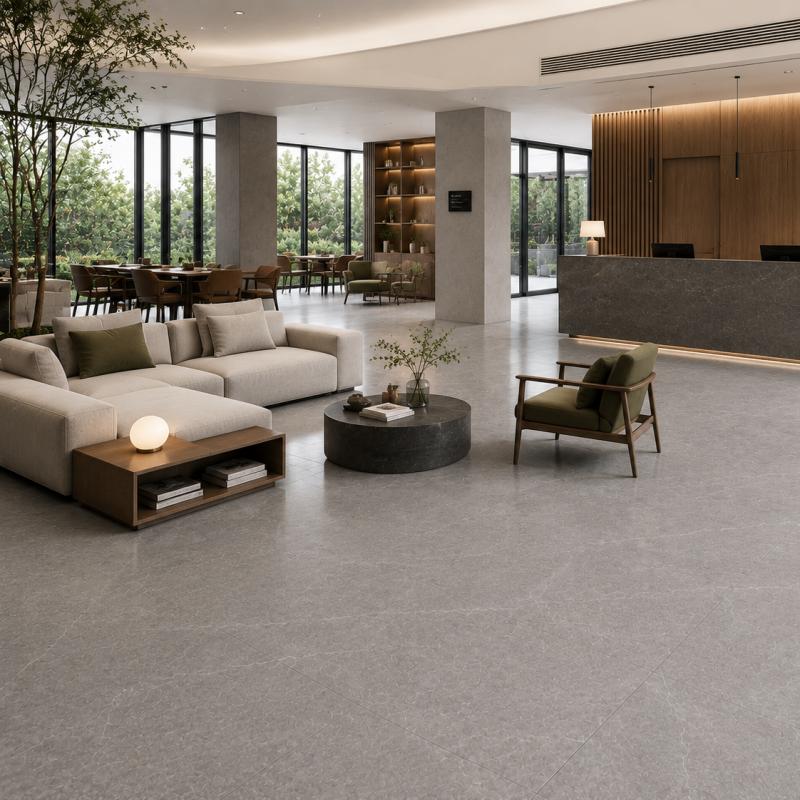
Even high-quality tiles can be damaged during transportation if packaging is not strong enough. Before importing, ask suppliers about their export packaging standards.
Good packaging should include:
An experienced Building Materials Supplier understands international shipping requirements and can reduce damage during long-distance transportation.
You should also confirm whether the supplier has experience handling container loading, especially for large orders of Wholesale Porcelain Tile.
Checking tile quality before importing can help buyers avoid costly mistakes and ensure successful business cooperation. Important factors include manufacturer reliability, size accuracy, water absorption, surface quality, durability, and packaging standards.
Choosing an experienced Porcelain Tile Supplier with strong production capability and international export experience is the foundation for long-term cooperation.
Whether you need standard flooring products or customized solutions, working with a professional Porcelain Tile Manufacturer can help you receive stable quality, competitive prices, and reliable service.









 IPv6 network supported