When installing rectangular tiles, especially large format porcelain tile, many professionals follow what is known as the 1/3 rule for tile installation. This rule is not just a design preference—it is a practical guideline that helps reduce visual imperfections and achieve a cleaner, more professional floor tile layout.
Understanding the 1/3 rule is essential for anyone involved in floor tile installation, whether for residential interiors, commercial spaces, or large-scale construction projects.
Understanding the 1/3 Rule for Tile Layout
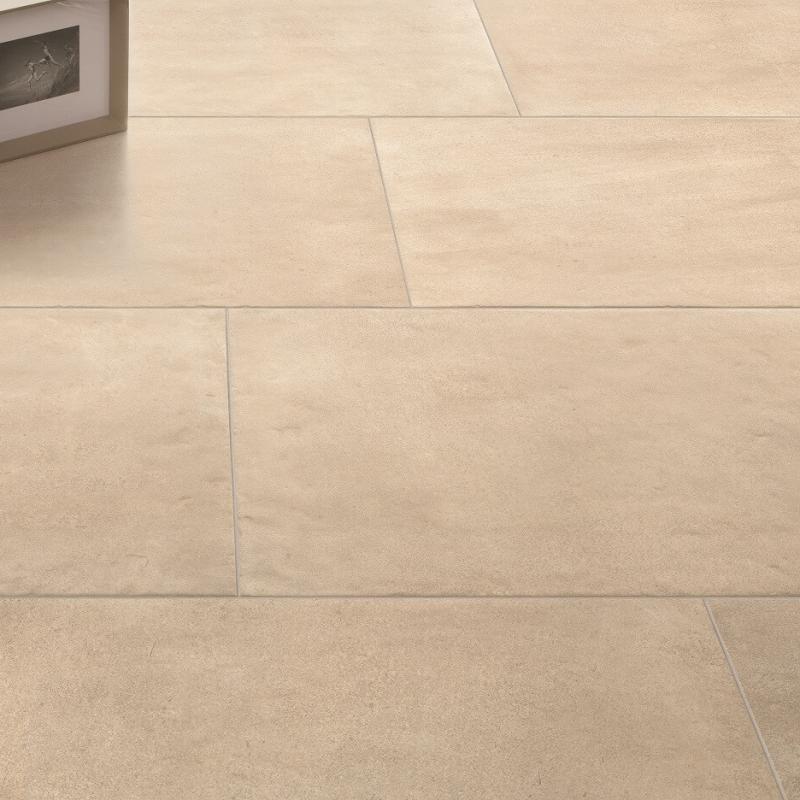
The 1/3 rule refers to limiting the offset between adjacent tiles to no more than one-third of the tile’s length when using a staggered or brick-style layout.
For example:
If a rectangular tile is 1200 mm long, the maximum recommended offset is 400 mm
This applies commonly to sizes such as 300x600 mm, 600x1200 mm, and other rectangular porcelain tiles
This guideline is especially important for large format tiles, which often have slight variations in flatness due to the manufacturing process.
Why the 1/3 Rule Matters in Porcelain Tile Installation
Most porcelain tiles are not perfectly flat. During firing, tiles may develop a slight curvature, known as warpage, where the center of the tile is marginally higher or lower than the edges.
If tiles are installed with a 50% offset (half-brick pattern), the highest point of one tile aligns with the lowest point of the next. This increases the risk of lippage, where one tile edge sits higher than the adjacent tile, creating uneven surfaces and unwanted shadows.
By following the 1/3 offset rule, installers can:
Minimize lippage
Improve surface flatness
Achieve a more consistent visual appearance
Meet common tile installation standards used in the industry
Is the 1/3 Rule Required by Tile Standards?
In many regions, tile installation guidelines recommend the 1/3 rule, especially for large format floor tiles. While not always legally mandatory, it is widely accepted as a best practice among professional tile installers, architects, and interior designers.
For rectangular floor tiles used in living rooms, hotels, shopping malls, and commercial interiors, the 1/3 rule is often specified to ensure long-term performance and visual quality.
Does the 1/3 Rule Apply to All Tiles?
The 1/3 rule mainly applies to:
Rectangular tiles
Large format porcelain tiles
Wood-look tiles
Marble-look and stone-look tiles
It is less critical for:
Square tiles (such as 600x600 mm)
Small format ceramic tiles
Mosaic tiles
However, even when not strictly required, following the 1/3 rule often results in a more professional tile flooring design.
Common Tile Patterns That Follow the 1/3 Rule
Some popular tile layout patterns that naturally comply with the 1/3 rule include:
1/3 staggered pattern
Random offset pattern (within 30–33%)
Linear layout with controlled offsets
These layouts are widely used in modern interior flooring, porcelain tile flooring, and commercial tile projects.
Conclusion: Why the 1/3 Rule Is Important for Tile Projects
The 1/3 rule for tile is a simple yet highly effective guideline that helps ensure high-quality results in porcelain tile installation. By limiting tile offset, it reduces lippage, improves surface consistency, and enhances the overall appearance of the finished floor.
For anyone selecting rectangular floor tiles, especially large format porcelain tiles, understanding and applying the 1/3 rule is key to achieving a professional and durable tile flooring result.
 What Is the 1/3 Rule for Tile?









 IPv6 network supported