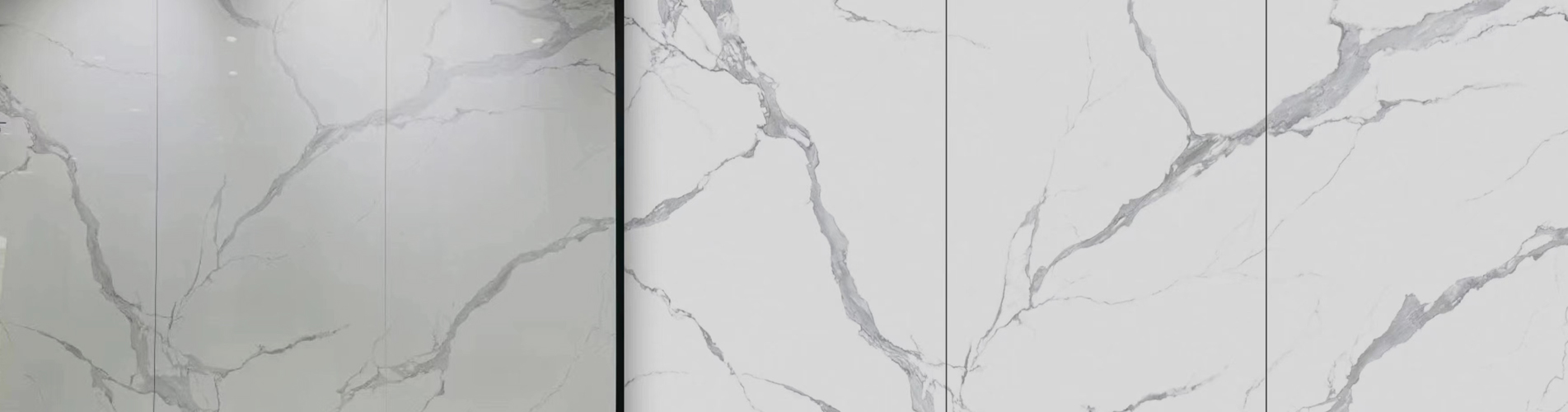
Ceramic tiles are one of the most widely used building materials in residential, commercial, and industrial projects. From interior wall tile applications to durable floor tile installations, the performance, appearance, and cost of ceramic tiles are all closely related to their raw materials.
Understanding the raw materials of ceramic tiles helps buyers, architects, and importers make more informed sourcing decisions, especially when comparing ceramic tile and porcelain tile products.
Clay is the primary raw material used in ceramic tile manufacturing. It provides plasticity, allowing the tile body to be shaped and formed before firing.
Different types of clay are used depending on the tile’s final application:
Red clay: Commonly used for standard ceramic wall tile
White clay (kaolin): Often used in porcelain tile and premium ceramic tile products
High-quality clay contributes to better shaping, smoother surfaces, and stable firing performance, which is especially important for large format tile and polished tile production.
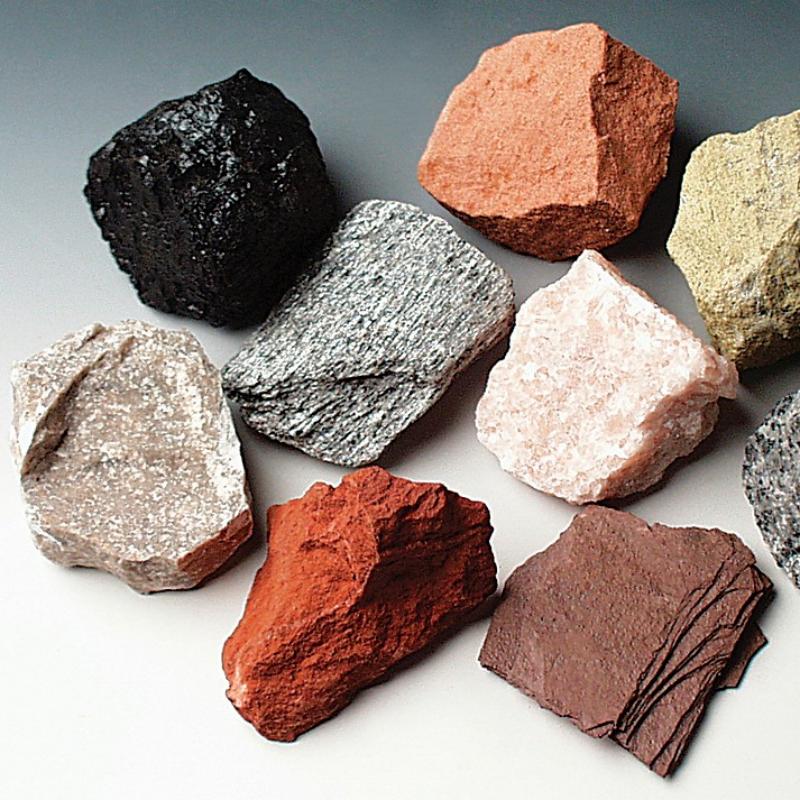
Feldspar is a key fluxing material in ceramic tiles. During firing, feldspar melts and helps bond other raw materials together, increasing the tile’s mechanical strength and density.
In porcelain tile manufacturing, feldspar content is usually higher, which results in:
Lower water absorption
Higher hardness
Better durability for floor tile applications
This is why porcelain tile is often preferred for commercial projects and high-end residential spaces.
Silica, usually in the form of quartz sand, plays a critical role in controlling shrinkage during firing. It enhances dimensional stability and improves wear resistance.
Tiles with balanced silica content are less likely to warp or deform, making them suitable for:
Large-scale wall tile installations
Marble look porcelain tile designs
Consistent batch production for export markets
Kaolin is a refined clay material commonly used in high-quality ceramic tile and porcelain tile bodies. It improves the tile’s whiteness and firing stability, which is essential for tiles with light colors or polished surfaces.
Kaolin is especially important for:
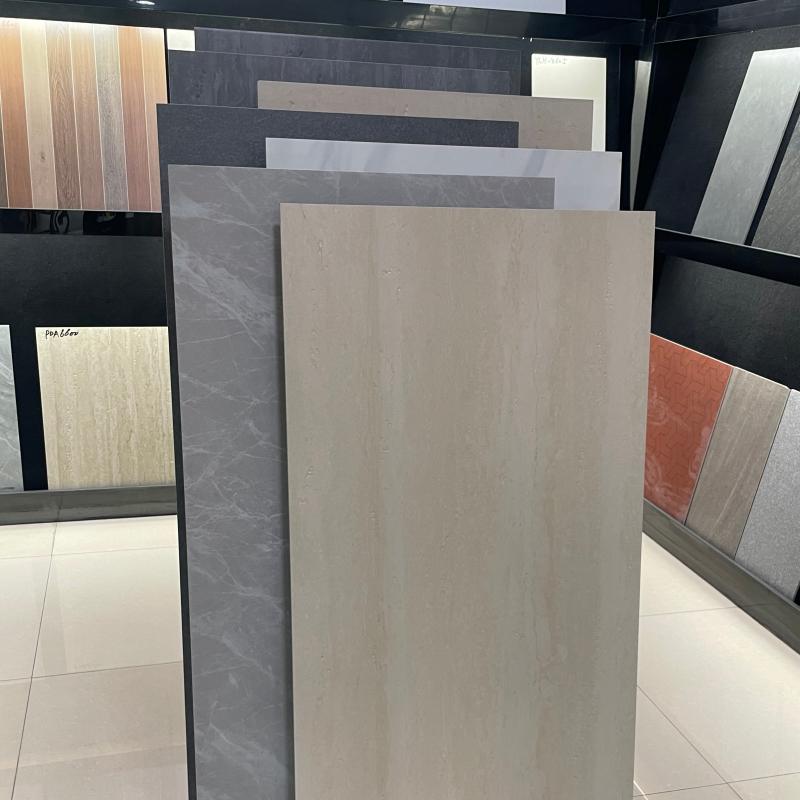
In addition to core raw materials, small amounts of additives are used to improve processing efficiency and final performance. These may include:
Binders to improve shaping
Deflocculants to optimize slurry flow
Mineral pigments for color consistency
For glazed ceramic tile and marble look tile, pigments and glaze materials are crucial to achieving realistic surface effects and stable color tones.
Although ceramic tile and porcelain tile share similar raw materials, their proportions and refinement levels differ significantly:
| Item | Ceramic Tile | Porcelain Tile |
|---|---|---|
| Clay Type | Standard clay | Refined kaolin |
| Feldspar Content | Medium | High |
| Water Absorption | Higher | Very low |
| Density | Moderate | High |
These differences explain why porcelain tile is often positioned as a premium product in global tile markets.
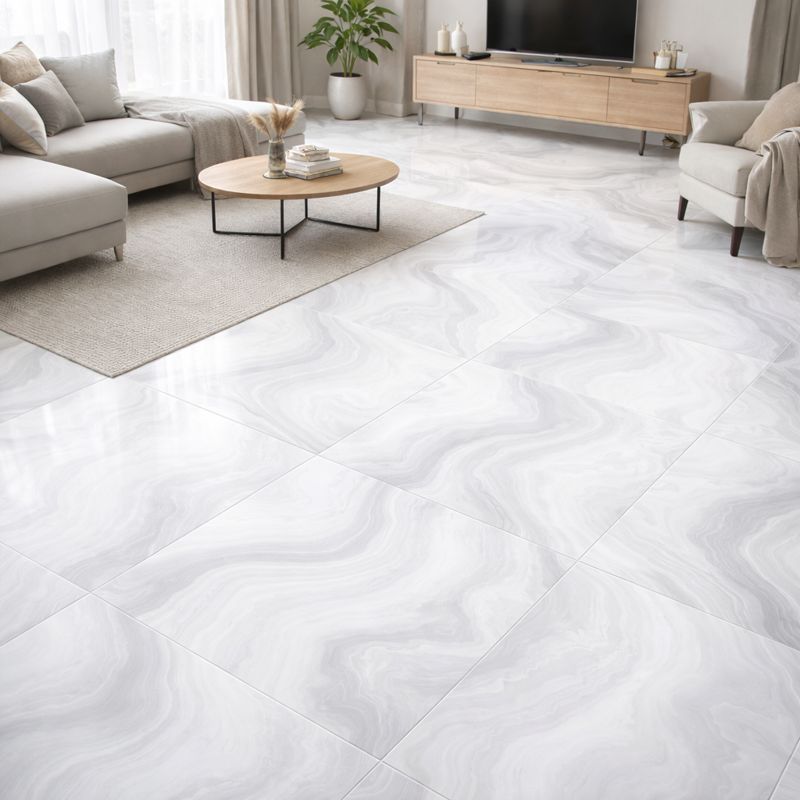
The quality and performance of ceramic tiles depend heavily on the selection and proportion of raw materials. From clay and feldspar to silica and kaolin, each component plays a vital role in determining strength, appearance, and application suitability.
For importers, distributors, and project buyers, understanding the raw materials of ceramic tiles is essential when evaluating suppliers, comparing prices, and ensuring consistent quality across wall tile and floor tile projects.









 IPv6 network supported