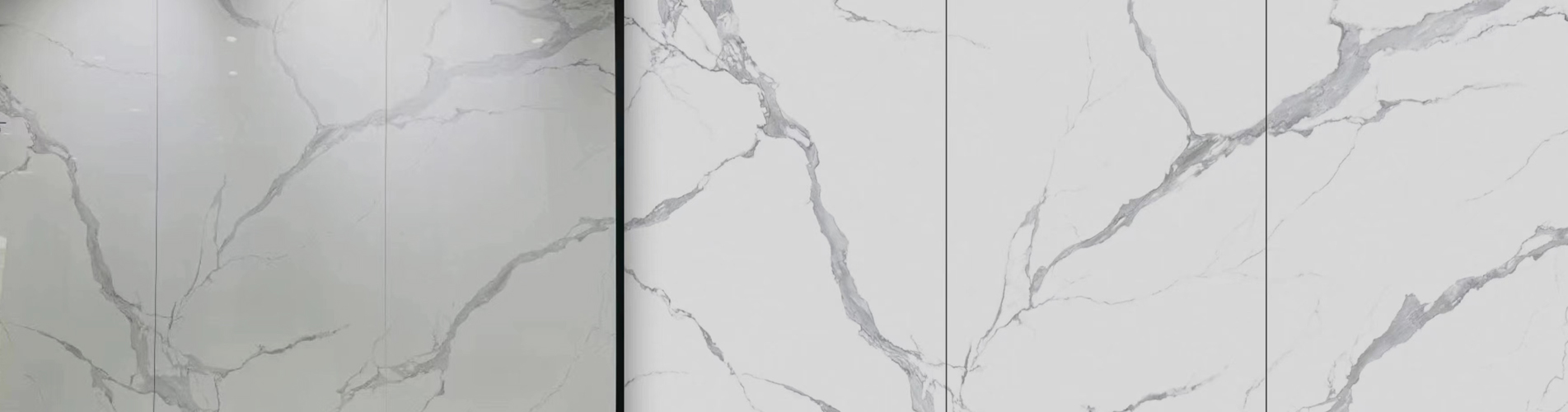
When choosing flooring materials for residential and commercial spaces, safety is one of the most important factors. Among all performance features, anti-slip capability plays a key role, especially in areas exposed to water, oil, or frequent foot traffic. High-quality tiles are designed not only for aesthetics but also for functional safety, making them a reliable solution for modern construction and interior design.
The anti-slip performance of tiles is mainly determined by surface texture, material composition, and finishing technology. Products such as anti slip porcelain tiles are engineered with micro-textured surfaces that increase friction between the foot and the tile surface. This reduces the risk of slipping even when the floor is wet.
Unlike polished surfaces, textured or matte finishes provide better grip. That is why matte finish tiles are widely used in bathrooms, kitchens, and outdoor environments where safety is a priority.
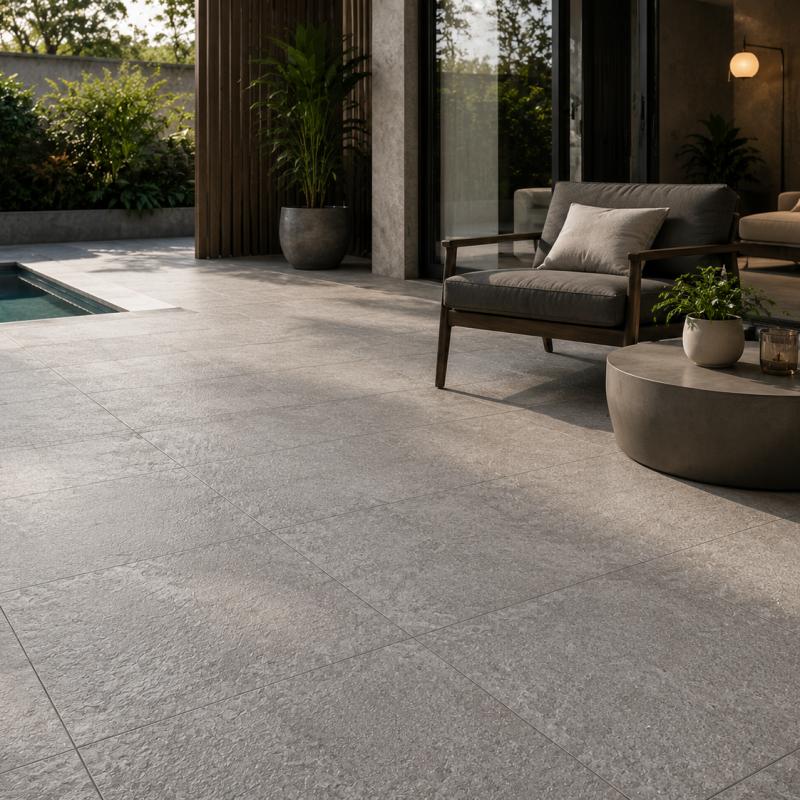
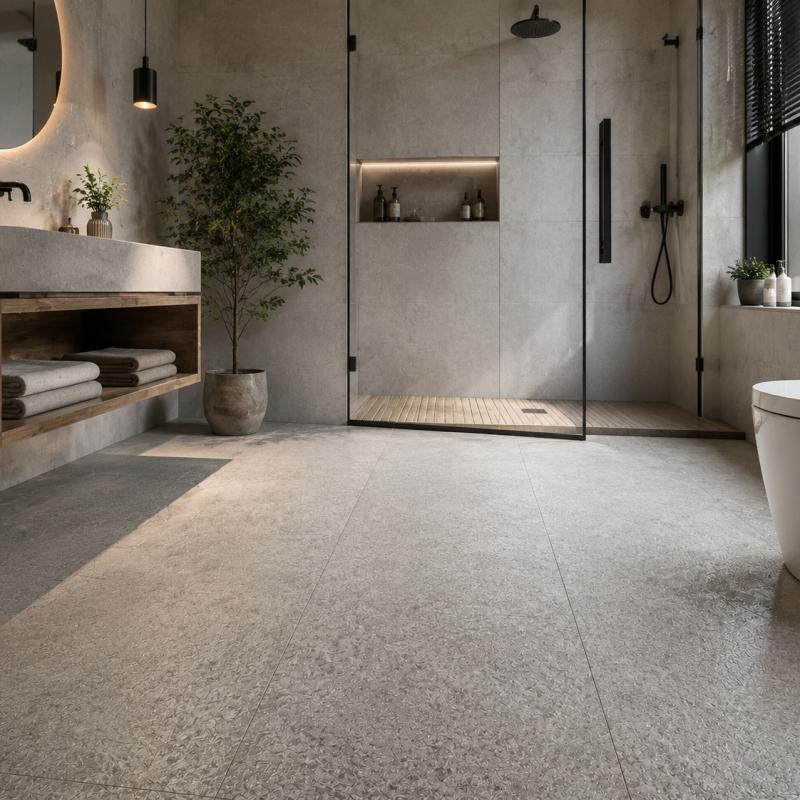
In residential projects, safety requirements vary from room to room. For example, bathroom floor tiles must resist water and soap residue, making anti-slip performance essential. Similarly, kitchen floor tiles need to handle oil stains and frequent cleaning while maintaining grip and stability.
In commercial and public areas such as shopping malls, hotels, and offices, durability and safety become even more important. High-traffic zones often require non slip floor tiles that maintain performance under continuous use without wearing down quickly.
Outdoor environments also demand stronger slip resistance. Rain, dust, and temperature changes make surfaces more unpredictable, which is why outdoor tiles with anti-slip treatment are commonly used in patios, balconies, walkways, and poolside areas.
Modern tile manufacturing has significantly improved safety performance. High-density porcelain materials are commonly used to produce porcelain tile flooring, offering both strength and water resistance.
Advanced surface treatments, such as sanded finishes, embossed textures, or nano-rough coatings, enhance friction without compromising appearance. These innovations allow tiles to maintain a natural and elegant look while still delivering strong anti-slip functionality.
Some tiles are also designed with directional textures, improving grip depending on walking direction and further reducing slip risks in complex environments.
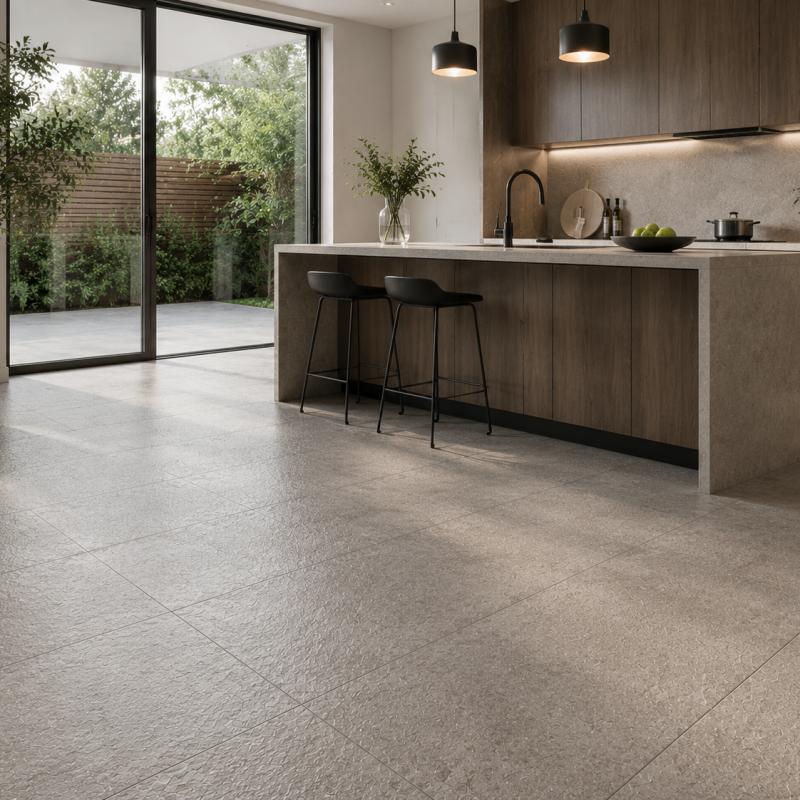
Slips and falls are among the most common household and workplace accidents. Choosing tiles with proper anti-slip ratings can significantly reduce these risks. Beyond safety, anti-slip tiles also ensure long-term performance stability under moisture, dirt, and heavy usage conditions.
For architects, developers, and homeowners, selecting flooring is not just about design—it is about safety, durability, and long-term value.









 IPv6 network supported