Ceramic tiles are one of the most widely used building materials in modern construction. They are commonly applied in residential, commercial, and industrial projects due to their durability, design versatility, and cost efficiency. From ceramic wall tiles to porcelain floor tiles, these products play an important role in architectural design worldwide. But how exactly are ceramic tiles manufactured? Below is a detailed explanation of the ceramic tile manufacturing process, from raw materials to finished products.
1. Raw Material Preparation
The manufacturing process of ceramic tiles begins with raw material selection. The main materials include clay, feldspar, silica sand, and other natural minerals. These components directly affect the tile’s strength, density, and overall performance.
The raw materials are accurately weighed according to specific formulas and then fed into ball mills, where they are mixed with water and ground into a fine, uniform slurry. This step ensures consistent particle size and stable quality, which is essential for producing high-quality ceramic tiles and porcelain tiles.
2. Spray Drying
After the slurry is prepared, it is pumped into a spray dryer. Hot air rapidly removes moisture, converting the slurry into fine granulated powder with controlled humidity. This powder is ideal for tile forming and helps ensure uniform thickness and density during pressing.
Spray drying is a key process in modern tile manufacturing, especially for products that require precise dimensional control.
3. Tile Pressing and Shaping
The dried powder is then transferred to hydraulic presses, where it is compressed under high pressure into specific tile sizes and shapes. Common formats include 600×600 mm, 600×1200 mm, and other large-format tiles used in contemporary construction projects.
High-pressure pressing improves tile compactness, reduces porosity, and enhances mechanical strength, which is particularly important for porcelain tiles.
4. Drying Process
After pressing, the unfired tiles still contain residual moisture. They are moved into industrial dryers, where controlled heat removes the remaining water. Proper drying is essential to prevent deformation, cracking, or warping during the firing stage.
This process ensures that both wall tiles and floor tiles maintain stable dimensions and consistent quality.
5. Glazing and Surface Treatment
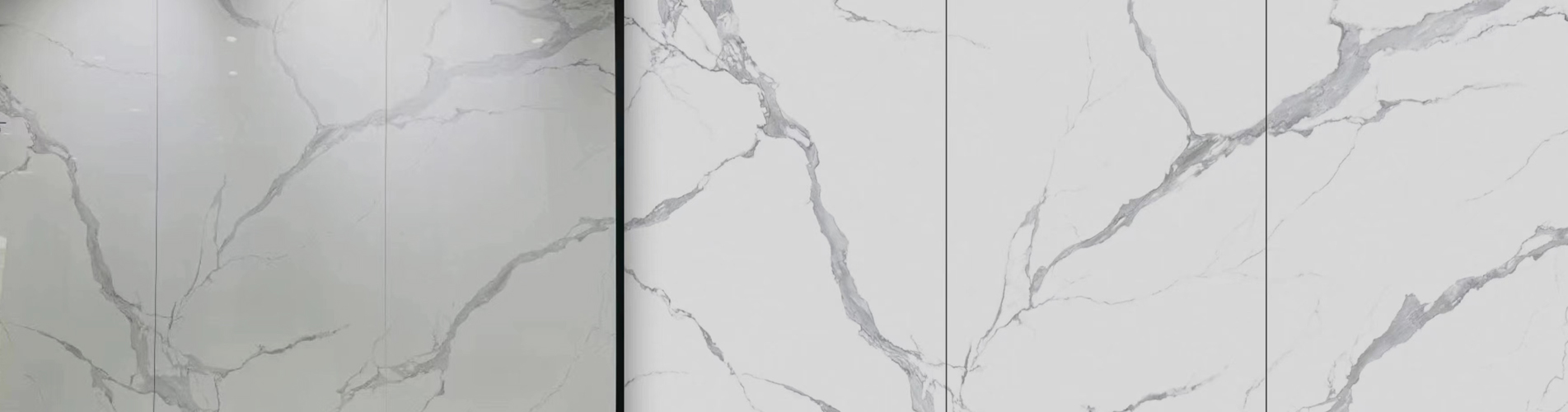
Depending on the product design, tiles may undergo glazing or surface treatment. Glazes are applied to the tile surface to create different colors, textures, and finishes, such as glossy or matte surfaces. Modern digital inkjet printing technology allows manufacturers to produce realistic stone-look tiles, marble-look tiles, and wood-look tiles.
For unglazed porcelain tiles, surface treatments such as polishing, lapping, or matte finishing may be applied to achieve the desired appearance and performance.
6. Kiln Firing
Kiln firing is one of the most critical stages in ceramic tile production. Tiles are fired in roller kilns at temperatures typically ranging from 1,050°C to 1,250°C. During this process, the tiles gain their final hardness, strength, and structural stability.
Porcelain tiles are fired at higher temperatures, resulting in lower water absorption and higher density compared to standard ceramic tiles.
7. Sorting, Quality Inspection, and Packaging
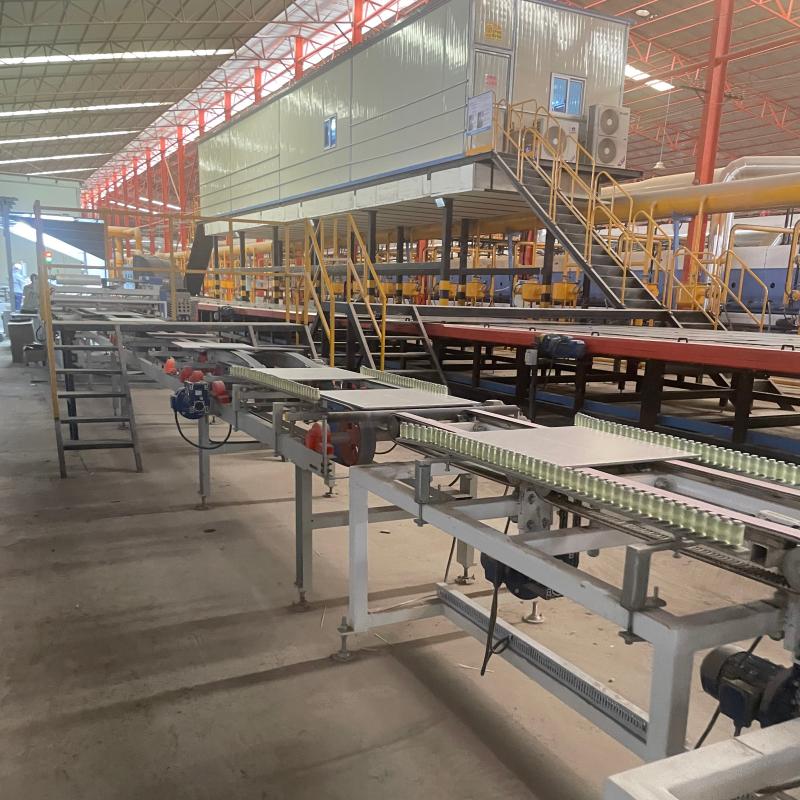
After firing, the tiles are cooled and passed through automated sorting and inspection systems. Each tile is checked for size accuracy, thickness consistency, surface quality, and color variation. Only qualified products proceed to the final packaging stage.
The finished tiles are then packed into cartons and pallets, ready for storage, distribution, and shipment to international markets by professional ceramic tile manufacturers.
Conclusion
Understanding how ceramic tiles are manufactured provides valuable insight into product quality and performance. From raw material preparation to firing and quality inspection, every stage of the process contributes to the durability, appearance, and consistency of ceramic tiles and porcelain tiles. For construction projects, working with an experienced ceramic tile manufacturer ensures reliable quality, stable supply, and professional production standards.
 How Are Ceramic Tiles Manufactured?









 IPv6 network supported