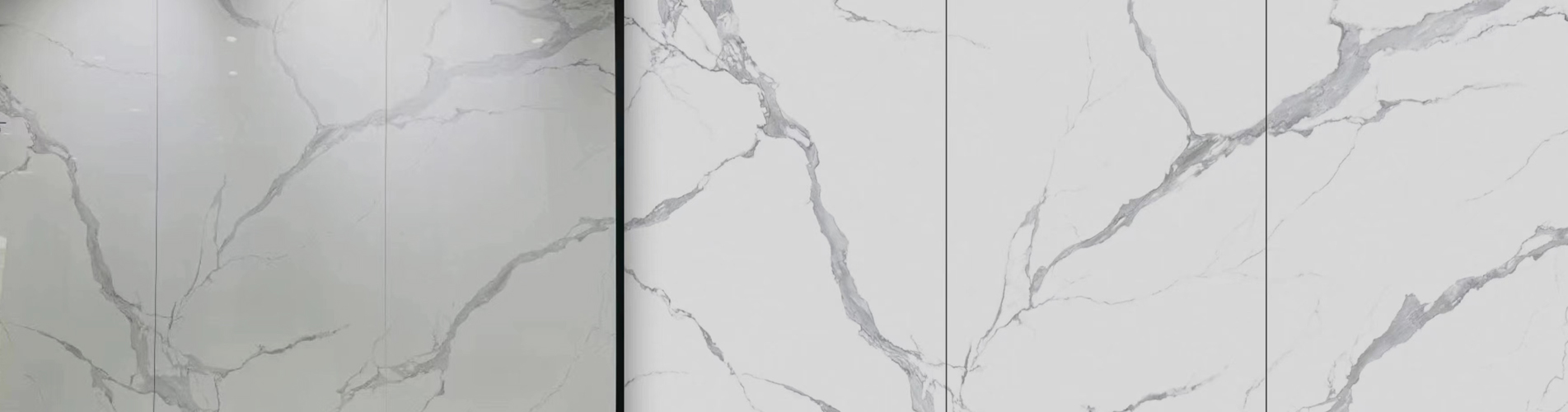
When planning a tile installation project, one of the most common questions homeowners and contractors ask is: Can you tile directly over drywall? The short answer is yes—but only under certain conditions. Understanding when and how to tile over drywall can help ensure a long-lasting and professional result.
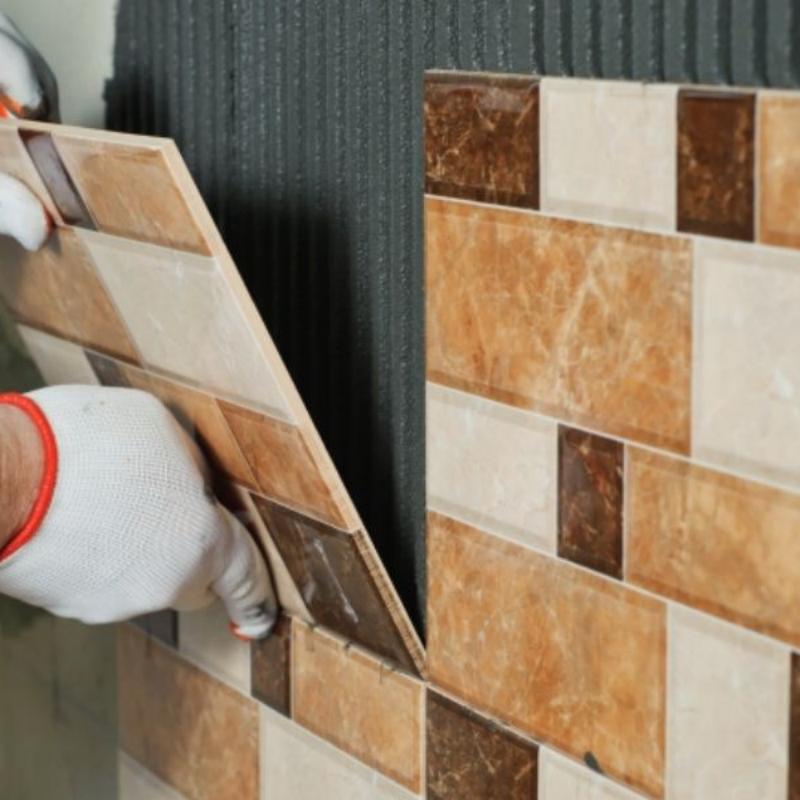
Drywall, also known as gypsum board, is widely used in modern construction due to its affordability and ease of installation. While it provides a smooth and stable surface, it is not always the ideal base for tile—especially in areas exposed to moisture.
In dry areas such as living rooms, bedrooms, or feature walls, drywall can serve as a suitable substrate for bold wall tile design and decorative applications. However, in wet environments like bathrooms or kitchens, extra precautions are required.
You can install tile directly over drywall if the following conditions are met:
In these situations, drywall can effectively support modern interior wall tile installations, especially for decorative or low-impact uses.
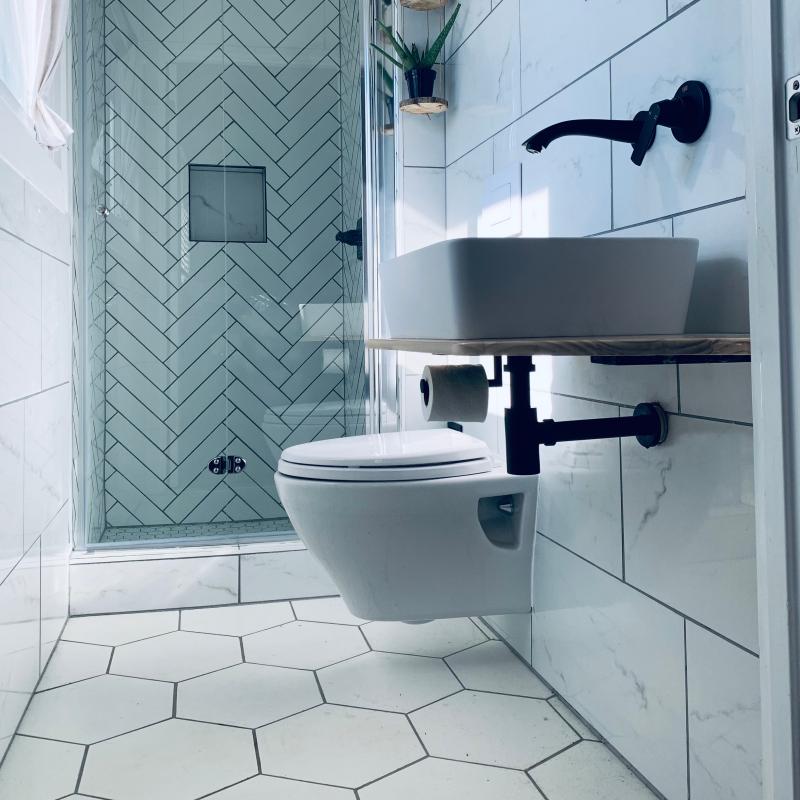
Tiling directly over drywall is not recommended in moisture-prone areas such as:
In these environments, water can penetrate through grout lines and damage the drywall, leading to mold and structural issues. Instead, you should use cement backer boards or waterproof membranes for better durability.
If you decide to tile over drywall, follow these best practices:
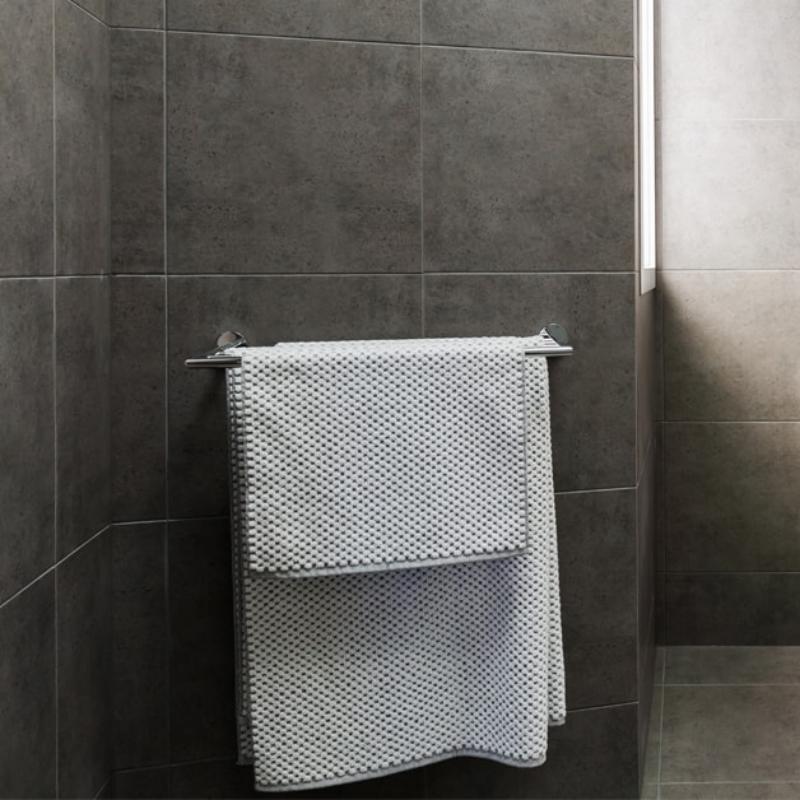
With the right preparation, drywall can be a practical solution for affordable wall tile solutions in dry interior spaces.
So, can you tile directly over drywall? Yes, but only in dry areas and with proper preparation. For wet environments, always opt for more durable and moisture-resistant substrates.
By following correct installation methods and using high-quality materials, you can achieve a beautiful and long-lasting tiled surface that enhances your interior design.
If you’re planning your next project, choosing the right ceramic tile for interior walls will make all the difference in both aesthetics and performance.









 IPv6 network supported